School clubs and sports: what they give and how to choose
What sport, music, drama and robotics give a child, whether clubs will overload them, and which clubs and sports Oxbridge school in Tashkent offers.
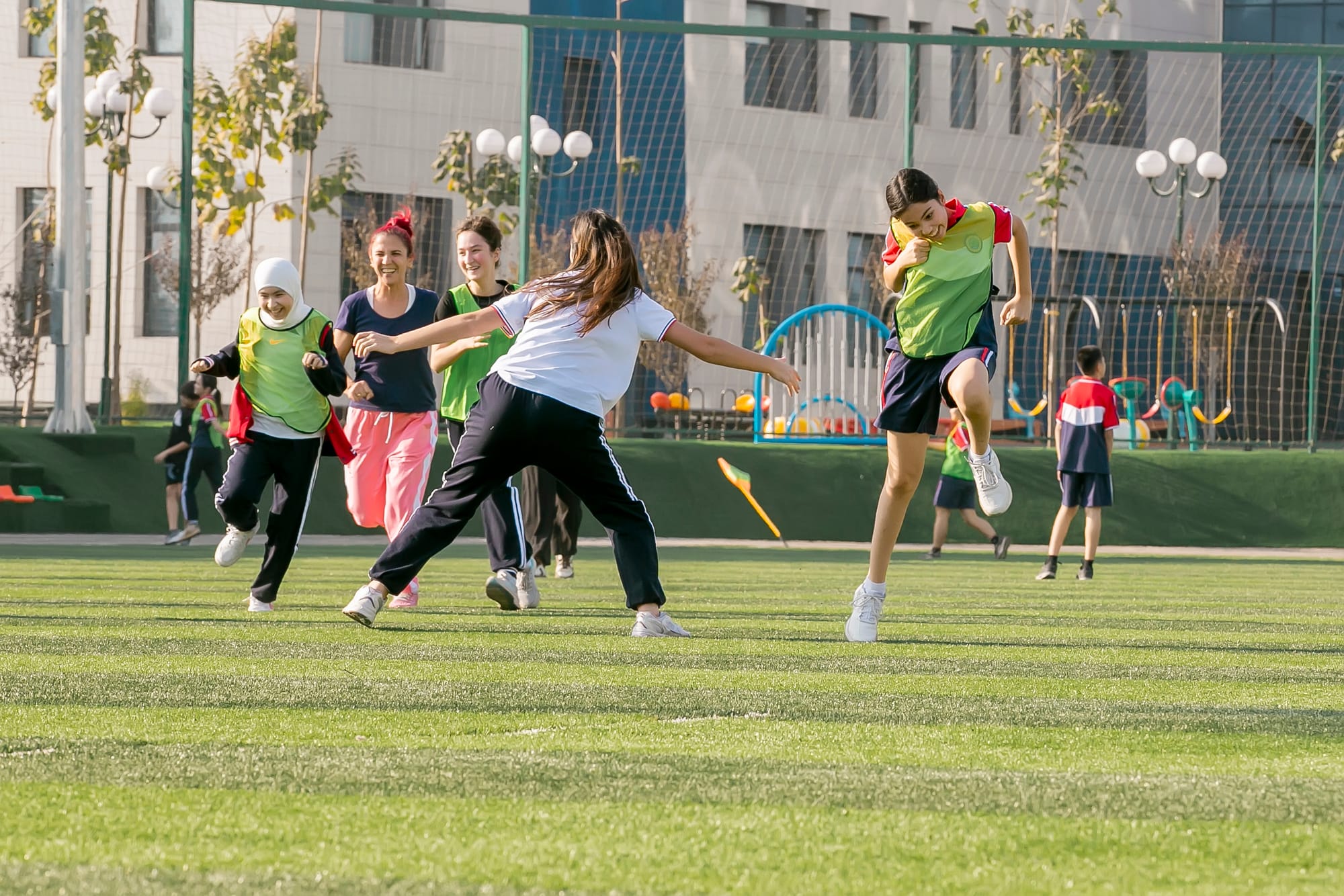
Parents of schoolchildren often face a choice: sign their child up for everything that interests them, or save their energy for schoolwork. Research has an answer to this question, and it is more reassuring than it might seem.
This article covers what is known about the benefits of clubs and sports, how many activities a child can manage without being overloaded, how to choose, and how clubs work at Oxbridge school.
What clubs and sports give a child
Researchers have long compared children who go to clubs and sports with those who do not. A review of American studies found a consistent link: children who take part regularly do better at school on average, talk more with their parents, and are less likely to smoke or try drugs (Mahoney, Harris, Eccles, 2006).
Part of the reason is the people around them. A child finds friends with the same interests, and that circle of friends itself supports them at school and in life (Fredricks, Eccles, 2005).
An important caveat: these studies show a link, not a direct cause. Active children may simply be more likely to choose clubs in the first place. But the link appears again and again across different studies, and for most children researchers find no serious harm from taking part.
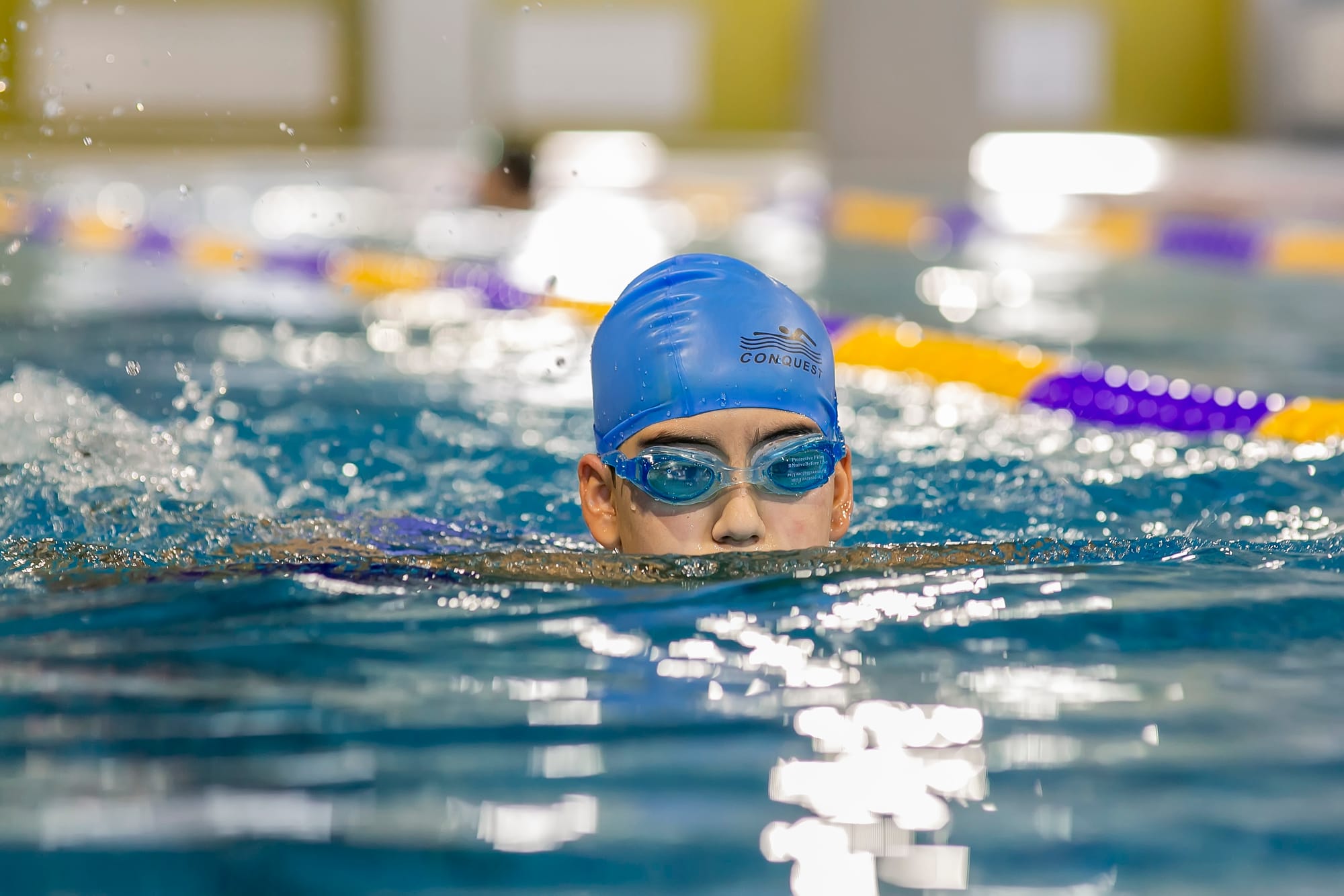
Sport: an hour of movement a day
The World Health Organization advises that children and young people aged 5 to 17 get an average of at least 60 minutes of moderate or vigorous activity a day. On at least three days a week this should include vigorous activity and exercises that strengthen muscles and bones, and screen time should be limited (WHO, 2020).
Parents sometimes worry that sport takes energy away from schoolwork. A review by the US Centers for Disease Control and Prevention (CDC) brought together 50 studies on this question. In about half of cases physical activity was linked to better school results, in almost half no link was found, and in only 1.5% of cases the link was negative (CDC, 2010). In other words, sport does not get in the way of schoolwork and often helps it.
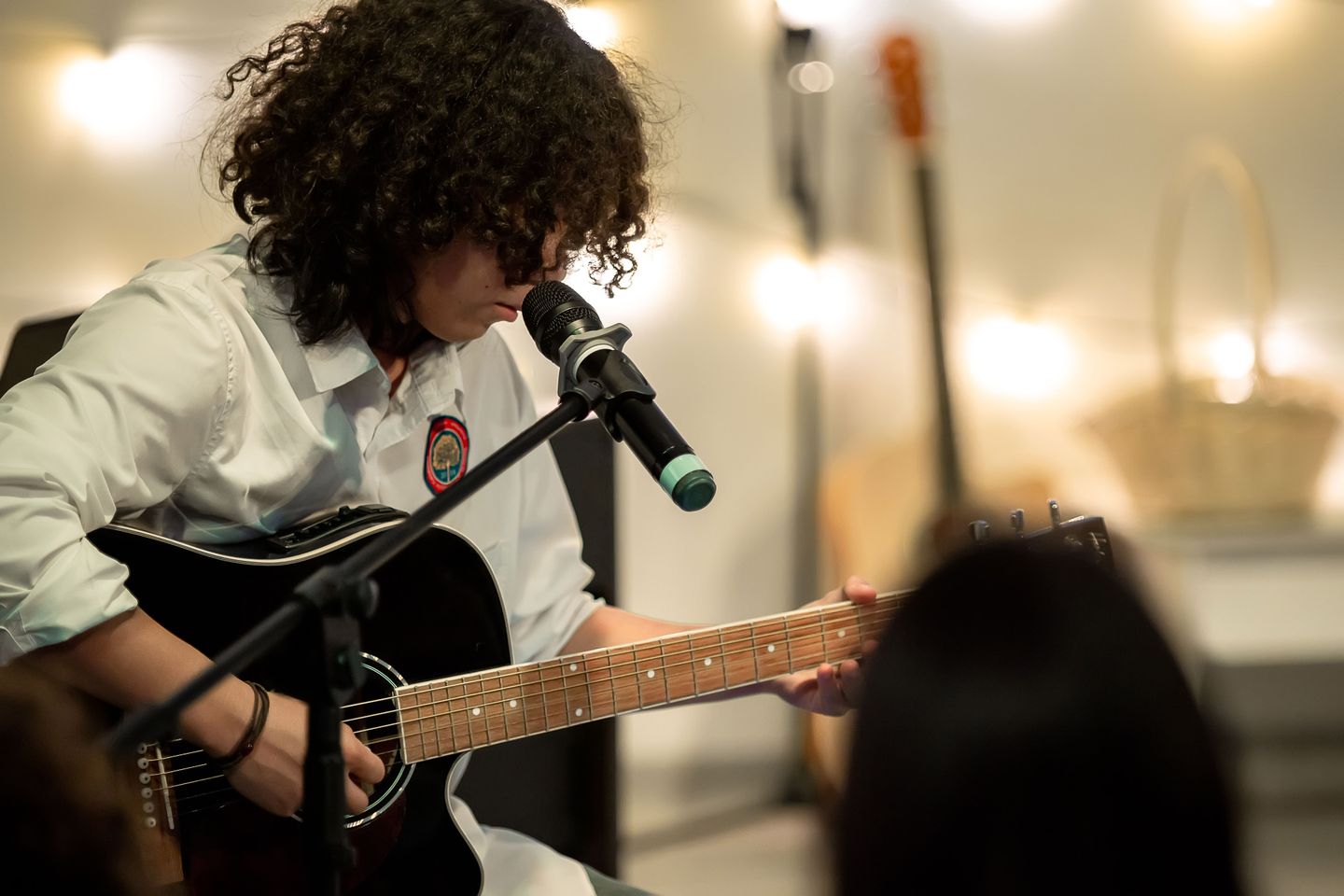
Music, drama, art: the value is in the activity itself
The popular idea that music automatically makes a child better at maths finds little support in research. Reviews show only a small effect, and the more careful the study, the smaller it is (Sala, Gobet, 2017).
Creative activities have a value of their own, though, and it is plain to see. A child learns an instrument, learns to go on stage, to work in a team and to see a task through to the end. That is what to expect from music and drama, rather than a hidden boost to their marks.
Will we overload our child?
Many parents share this worry. Researchers looked into it specifically: only 3–6% of children spend more than 20 hours a week on activities. The opposite is far more common: many children do not go to a single club, and on average they fare worse (Mahoney, Harris, Eccles, 2006).
The best guide is your child. If they are getting enough sleep, are in a good mood and go to their activities with interest, the load is fine. If they become tired and irritable, it is worth talking to them and perhaps cutting back on activities.
How to choose a club
A few simple rules make the choice easier:
- Start with your child's interests: ask what they enjoy and show them different options.
- Combine something active with something else: for example, sport and music, or sport and robotics.
- Let your child try several activities before choosing the main one.
- Talk about the activities together: what is going well, what they enjoy, what is hard.

Clubs and sports at Oxbridge
The school has more than 30 clubs. They take place within the school day and are already included in the fees.
The main areas are:
- Sport.
- Robotics (in Yashnobod).
- Art and music.
- A maths club in every year group, and from Grade 7 an olympiad coach.
Both campuses have a swimming pool, a sports hall, a football pitch, a basketball court, a dance and martial arts hall, an art studio, music rooms, a drama studio, a cookery room and physics, chemistry and biology labs.
The Yashnobod campus also has robotics and STEM, 3D printing, a Design & Technology workshop, a photo studio, a recording studio, ceramics, fashion and textiles workshops, a running track and a 700-seat stage.
On a tour, we will tell you which activities would suit your child.
You can read how admission to Oxbridge school works on our admissions page.
Frequently asked questions
How many clubs should my child do?
Research does not give an exact number. Take your lead from your child: if they are getting enough sleep and enjoy their activities, the load is right. For children aged 5–17, the WHO advises an average of at least an hour of active movement a day.
Do clubs at Oxbridge cost extra?
Clubs and sports take place within the school day and are already included in the tuition fees.
Where do the activities take place?
Most are on both campuses: the swimming pool, sports hall, studios and labs. Robotics, 3D printing, the workshops and the 700-seat stage are on the Yashnobod campus.
We invite you on a tour: we will show you the classrooms, swimming pool and studios and explain how the school day works.
Book a tour