School Instead of Tutors: How the Oxbridge Russian Programme Works
When Tashkent parents choose a Russian-language school, one question stands out: will the school build real knowledge, or will they need private tutors? Here is how the Oxbridge Russian programme is designed so tutors are never necessary.
When parents in Tashkent choose a school that teaches in Russian, one question worries them more than any other: will the school give their child a solid education, or will they end up hiring private tutors, as so often happens? The Russian programme at Oxbridge International School is built so that regular school lessons are enough to lay a firm foundation of knowledge. Here is how the school makes that happen.
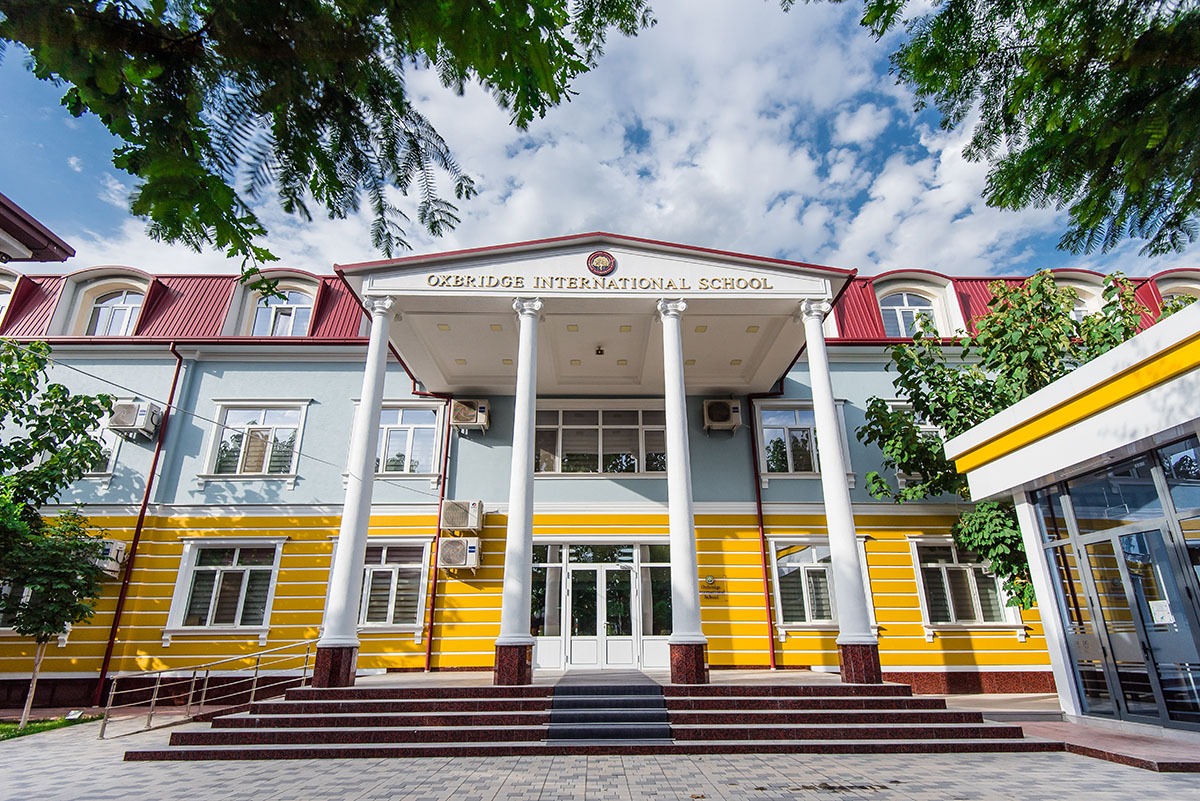
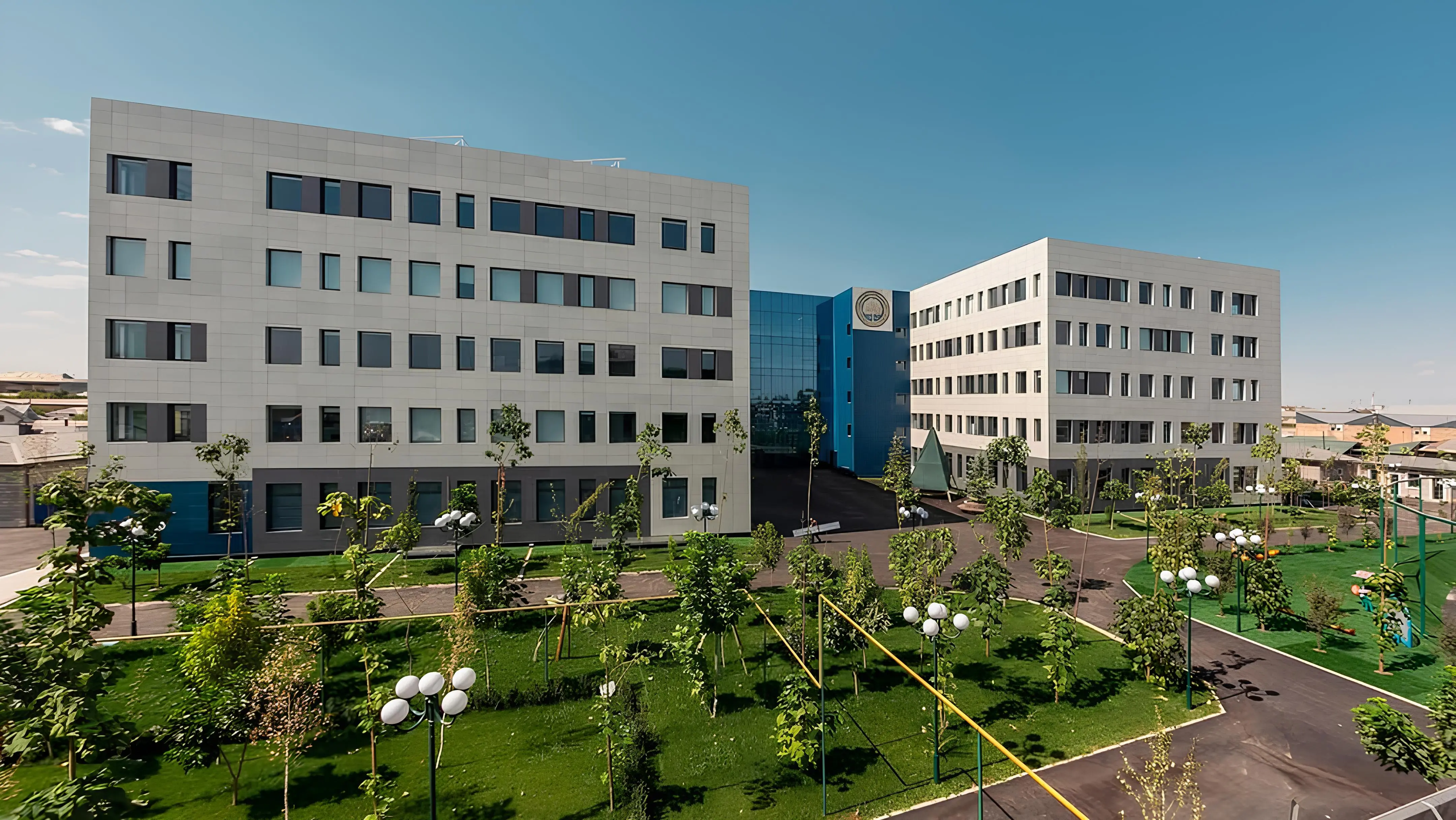
Oxbridge is an international school in Tashkent running two programmes: the International Baccalaureate (IB) and a Russian programme based on an enhanced national curriculum. Two campuses, more than 1,100 students aged 2 to 18, and teachers from Russia and Uzbekistan working side by side with native English speakers.
Two programmes, one standard of quality.
students per class — no more
hours of English a week from Grade 1
minimum IELTS score among graduates
Is this a real national curriculum — or a watered-down version?
At the heart of the Russian programme is the national curriculum, reworked and strengthened by experienced methodologists. The national standard is preserved in full, but depth is added on top: more practice, more connections between subjects, higher expectations for the quality of work. This is not an "alternative" to state schooling — it is a more demanding version of it.
How do children learn without tutors?
The school's main tool is teaching in groups matched to each child's level. In English, small-group teaching begins in Grade 3. From Grade 7, classes in mathematics, physics and computer science are split into advanced and standard groups; from Grade 8, technical drawing is taught the same way, and from next academic year the school plans to introduce this split in chemistry and biology as well. Every child works at their own pace — and no one is left behind or left without a challenge.
This approach is possible because of the way the school itself is built: no more than 24 students per class, and a teacher-to-student ratio of between 1:7 and 1:10. Support is built into the system rather than outsourced beyond it — which is exactly why most families on the Russian programme manage without tutors.
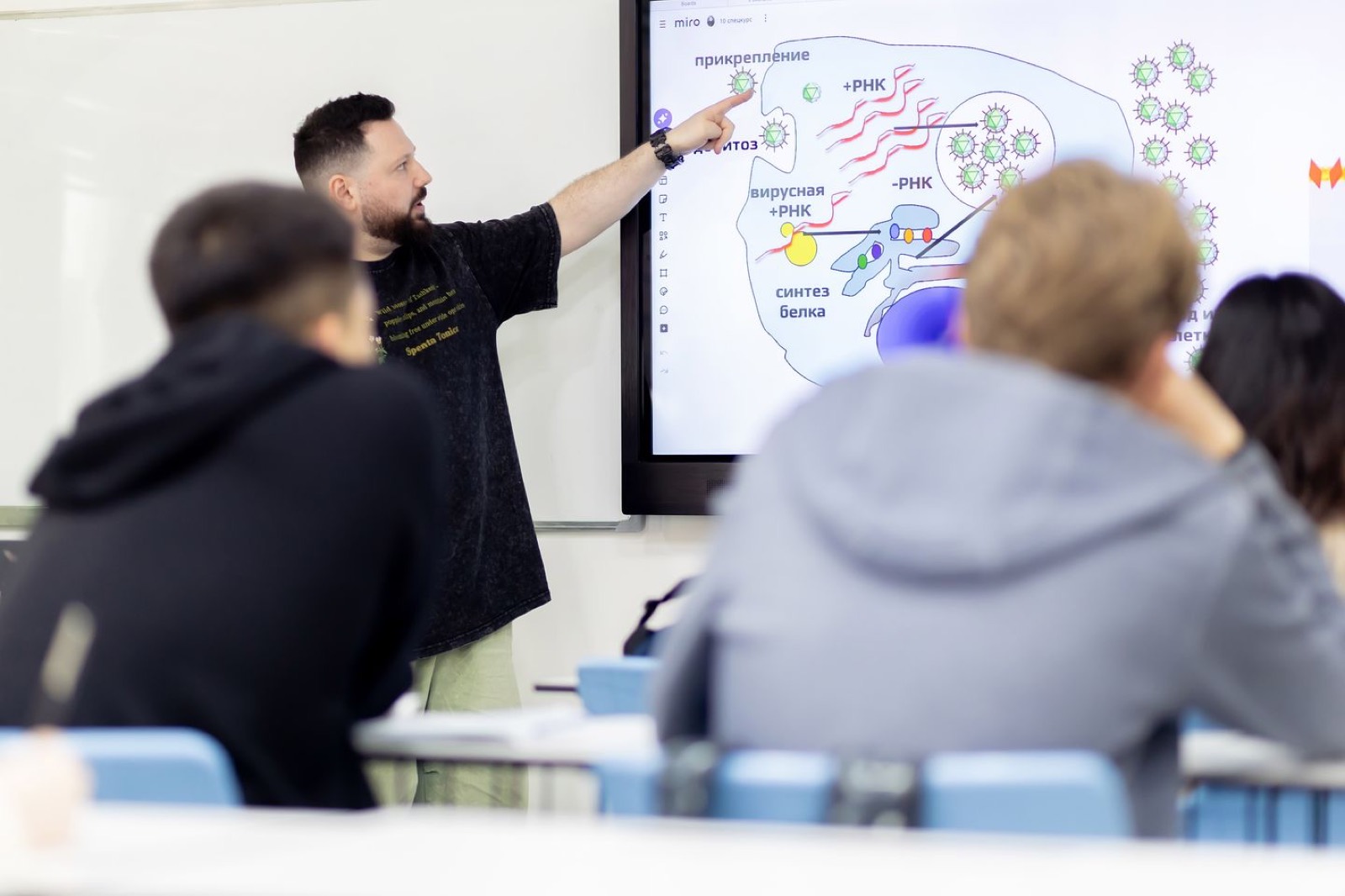
Will the mathematics be strong?
Mathematics is the subject parents most often hire tutors for, so at Oxbridge it is built as a single continuous line from the first grade to graduation.
In primary school, children study the modern Russian programme by N. A. Soprunova — and the school works under the methodological guidance of the programme's author. Enrichment mathematics is added to the core lessons — solving non-standard problems — and every year group runs its own maths club. In Grades 5–6, an author's course by D. E. Shnol, built around olympiad-style problems, runs on top of the core programme. For those who become truly captivated, a club led by an experienced olympiad coach is available from Grade 7.
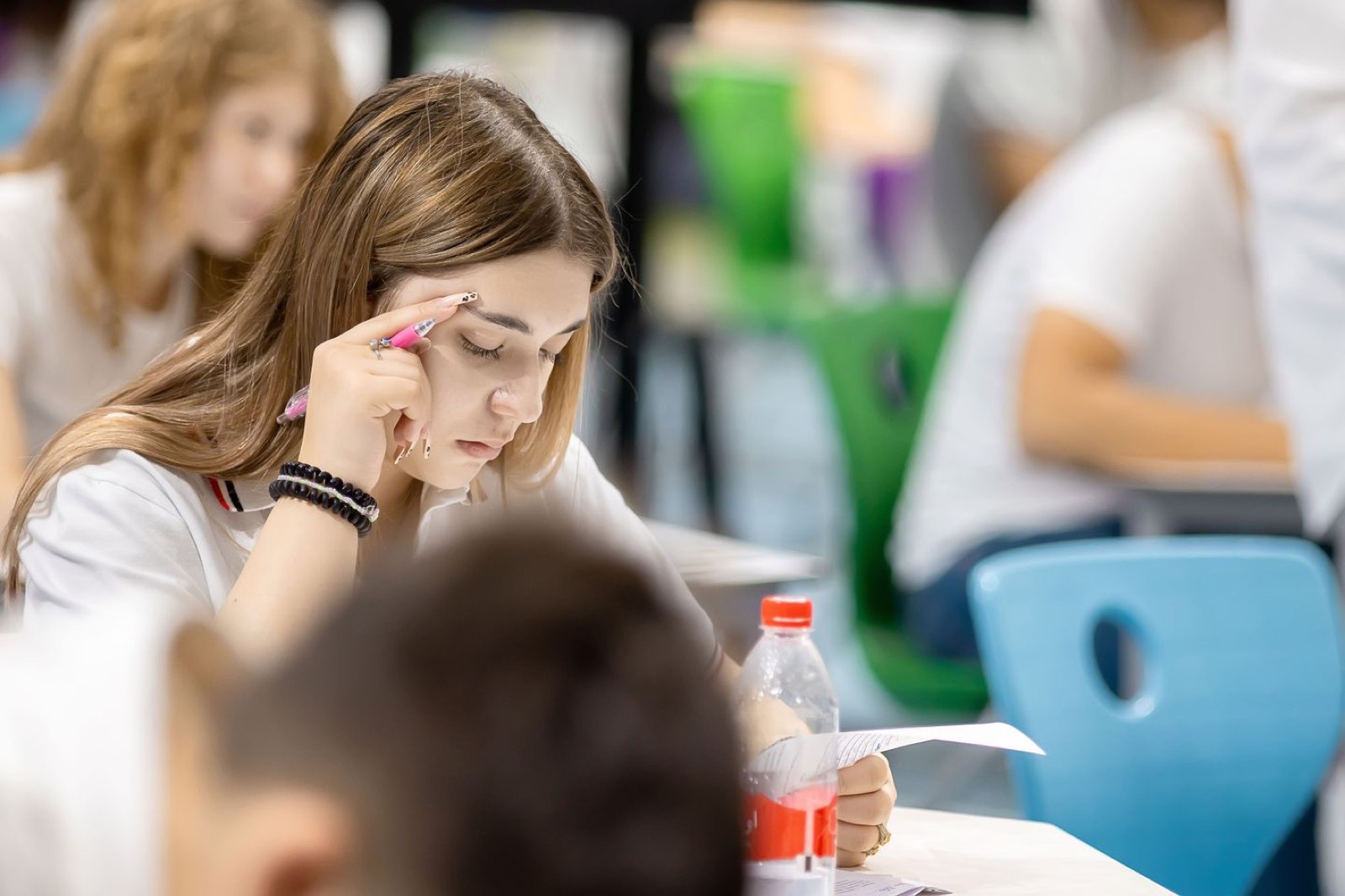
What if my child isn't a top student?
Oxbridge is not a school "for the gifted only." Here, equal care goes to the child who is ahead of the programme and the one who is still catching up: the strong student is never bored, and the one who is behind is never abandoned.
Children compete not with each other, but with who they were yesterday.
The school keeps no public rankings. A distinct pillar of this environment is psychological safety: a child learns only when they feel safe, so psychological support is woven into school life rather than offered as an add-on service.
Can you trust the grades at a private school?
Admission requires an entrance assessment, but its purpose is not to filter children out — it is to get to know the child: to understand their level and their readiness to work. The rules are the same for everyone, regardless of how long a family has known the school or whether older siblings already study there.
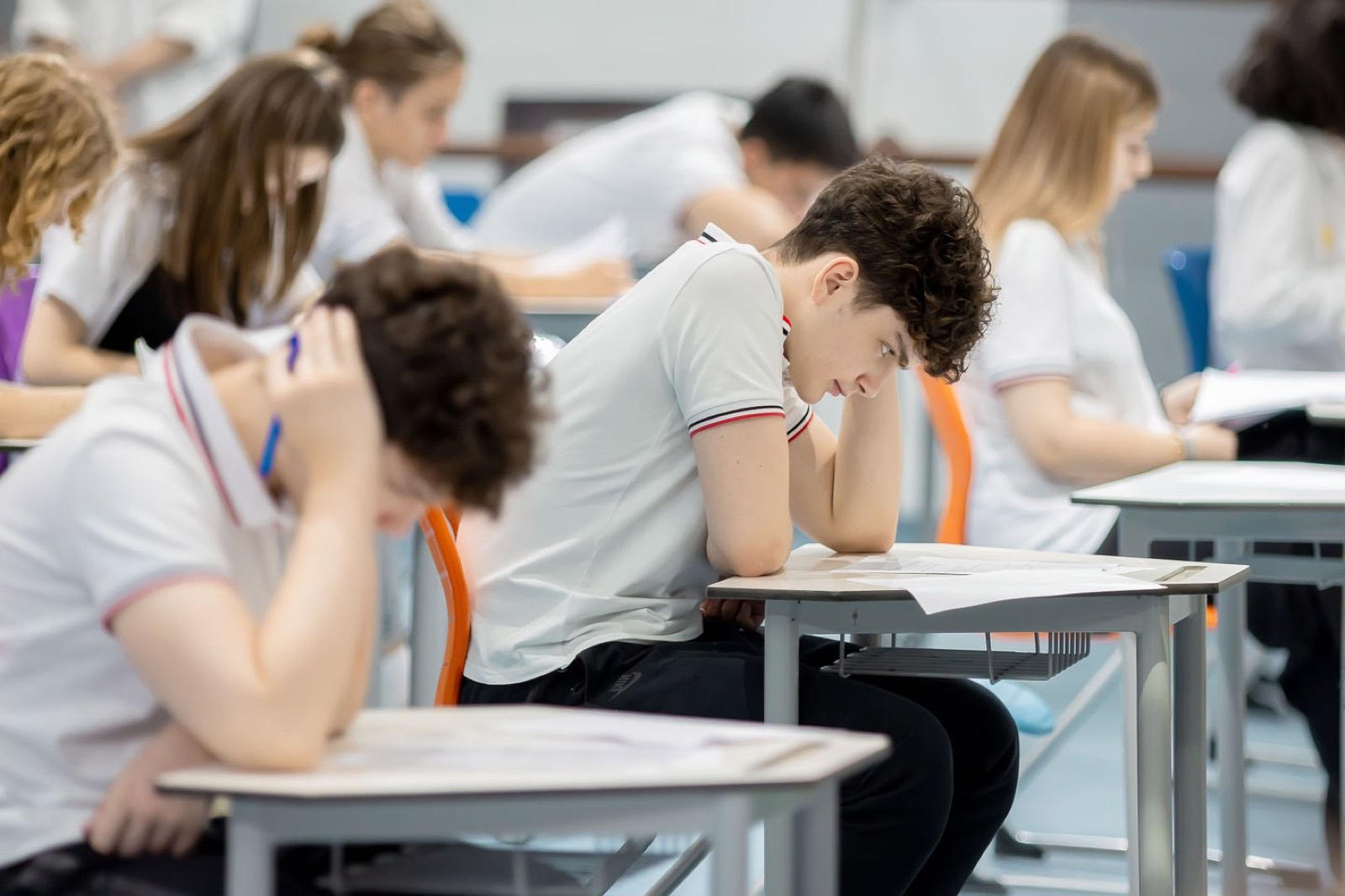
Exams stay with the child beyond admission: moving up from grade to grade means compulsory exams in mathematics and English, along with elective subjects. An unsatisfactory grade is not a verdict — the school provides study materials, arranges new attempts and looks at progress over time. If a child knows how to work and is growing, that is the result that matters most.
Will my child actually speak English? And Uzbek?
English on the Russian programme is not a single lesson on the timetable but a part of school life: eight hours a week in every grade, four of them with a native speaker and four with a Russian-speaking teacher. From Grade 3, classes are split into small groups by proficiency level, and from Grade 5 two year groups are divided into six or seven groups — the level is tailored almost individually.
In middle school, half the lessons are the core course, and the other half are reading works of fiction in the original language, adapted to the student's level. Building on what they read, children prepare presentations, write essays and run projects. From Grade 10, half the lessons are devoted to IELTS preparation, and the result is consistent — no lower than 6.5.
From the 2025/26 academic year, the same approach has been carried over to the Uzbek language: modern methods and grouping strictly by proficiency level. This solved the familiar problem of a single class holding both children for whom Uzbek is a mother tongue and those for whom it is almost a foreign language. Graduates leave ready to work in a country where official paperwork is conducted in Uzbek.
Does the school prepare children for a future profession?
From Grade 10, learning follows an individual plan: each student assembles a set of specialist subjects aligned with their intended field of study and works in small groups. Those who wish can prepare for the international SAT exam within the school programme. The school states its goal plainly: to prepare students for admission to leading universities — with no extra tutoring on the side.
Physics and mathematics
The road into engineering and IT.
Chemistry and biology
The path into medicine.
Humanities
Law, languages and the social sciences.
Arts
Design, architecture and art — now taught without ever leaving school.
Is the child at a desk all day?
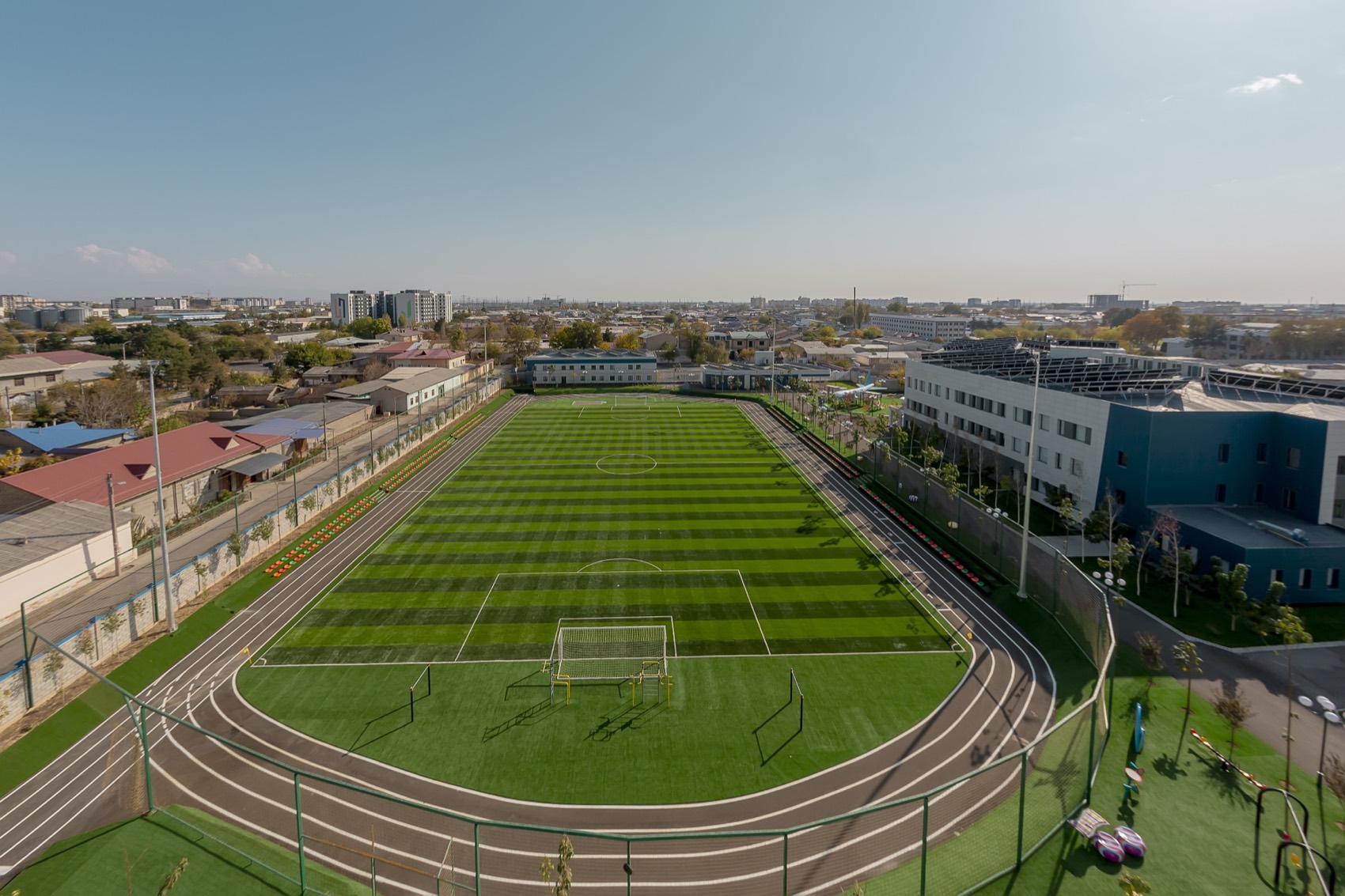
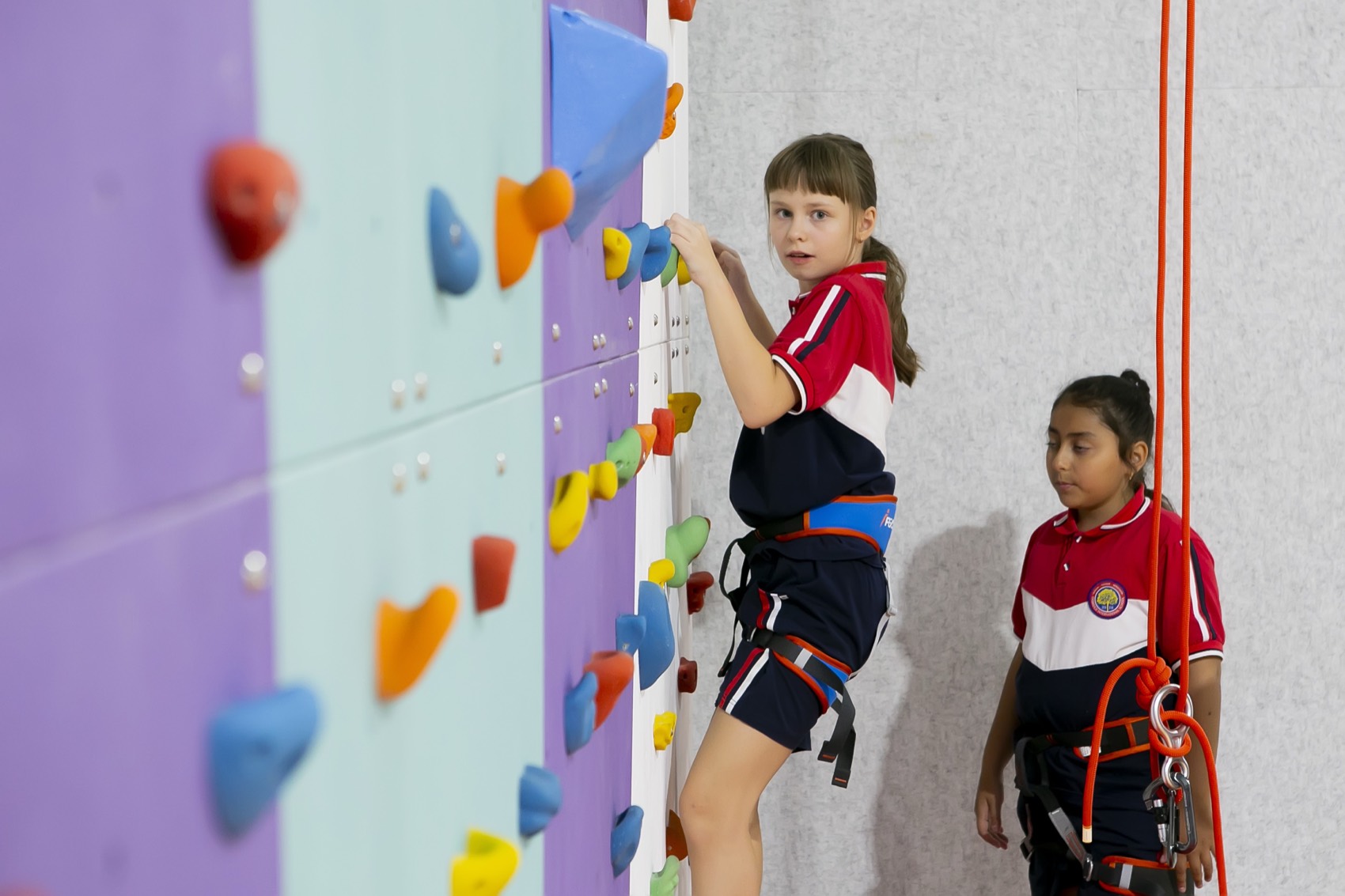
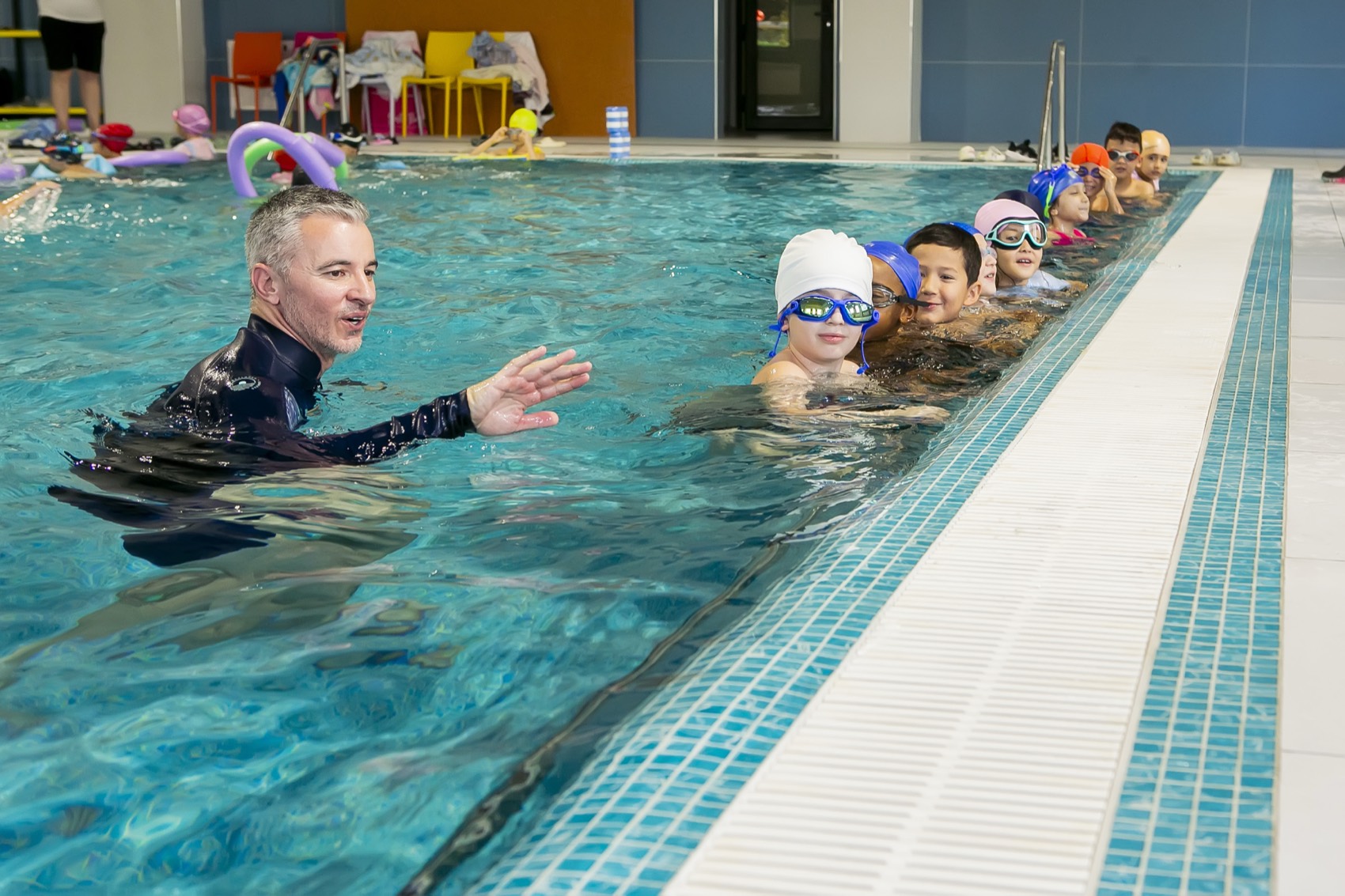
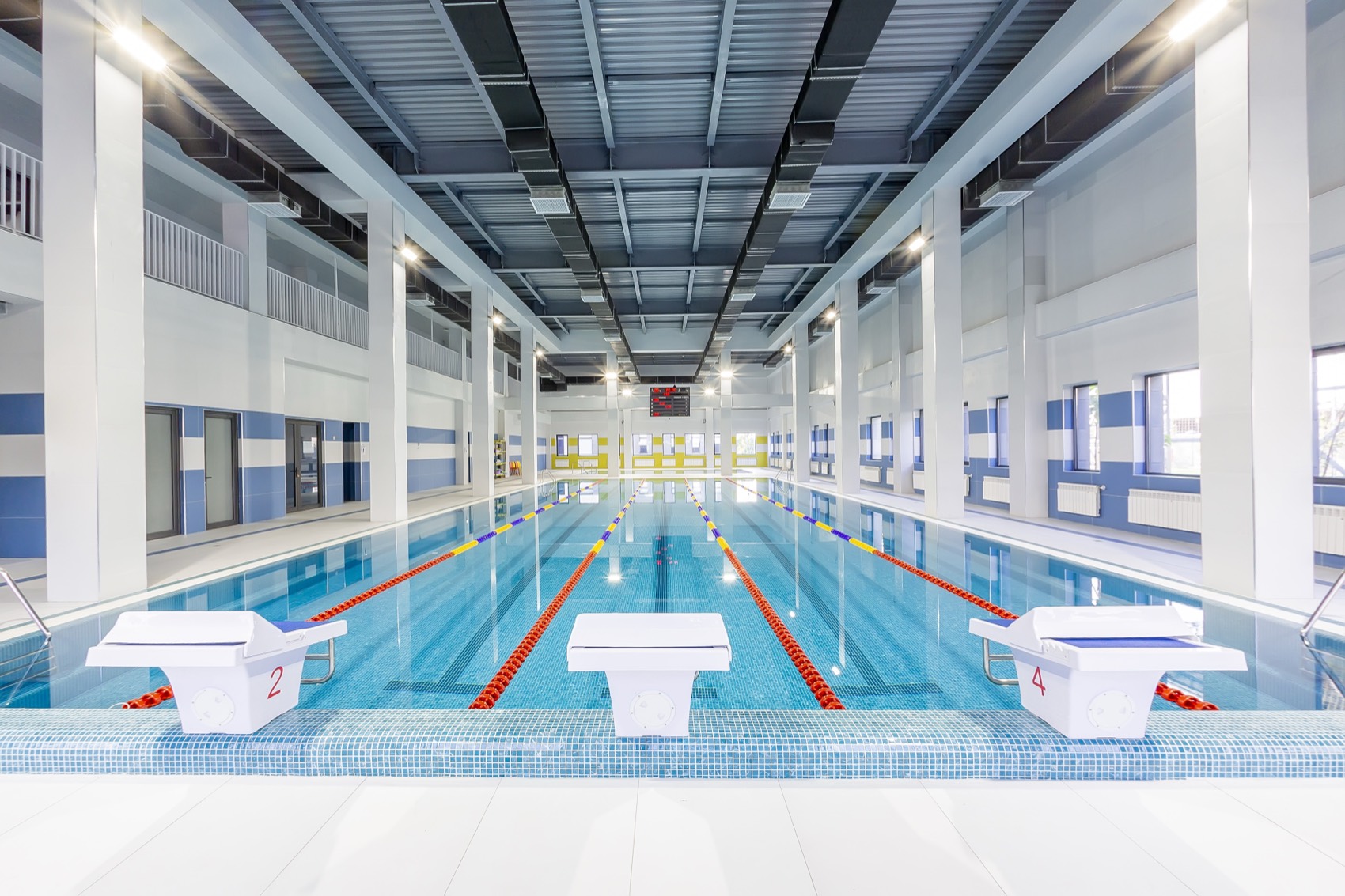
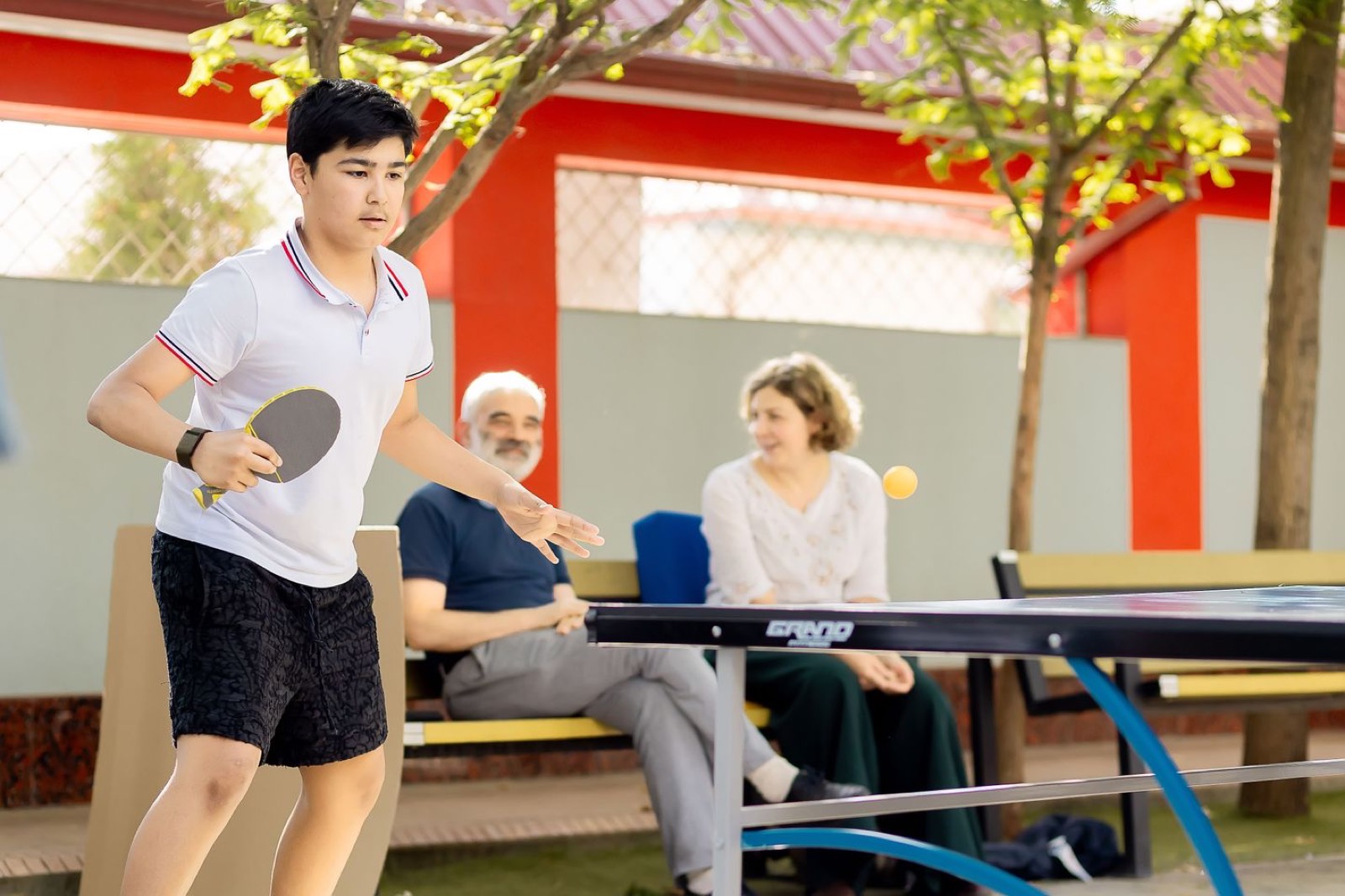
The extracurricular programme complements the academic one rather than existing apart from it. In the jewellery-making club, children go through the entire process of creating a piece — from concept to casting — applying knowledge from technical drawing, physics and mathematics along the way. The school also devotes great attention to physical development: there is a FIFA-standard football pitch, a basketball court, a climbing wall and a 25-metre swimming pool.
Isn't two years old too early to start?
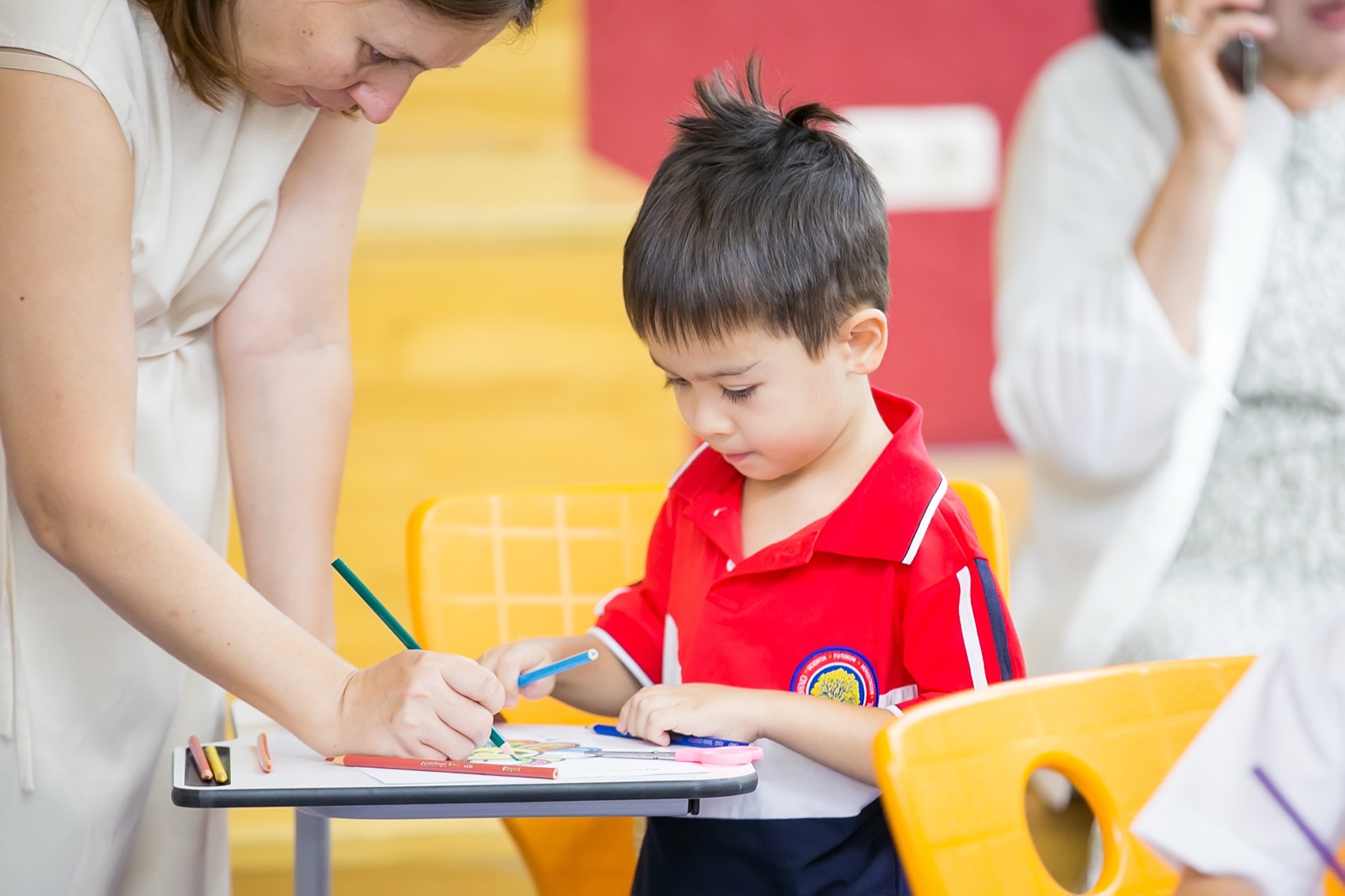
You can join Oxbridge long before the first grade: the school runs its own kindergarten, admitting children from the age of two. The move from kindergarten to first grade is a natural continuation of the journey rather than a start from scratch: the same standard, a familiar environment and the same adults close by.
What will the child leave school with?
Studying here is not easy: rigour and thoroughness are part of the school's culture, and the bar is deliberately kept high. But the school's task is not to select the strong — it is to see that every child reaches the finish line.
A graduate of the Russian programme leaves with a state-recognised diploma, working English and — above all — the ability to work: to frame a question, find the data, explain a conclusion and see a task through to the end. What the school asks of a child is a willingness to work. Everything else, the school takes on itself.