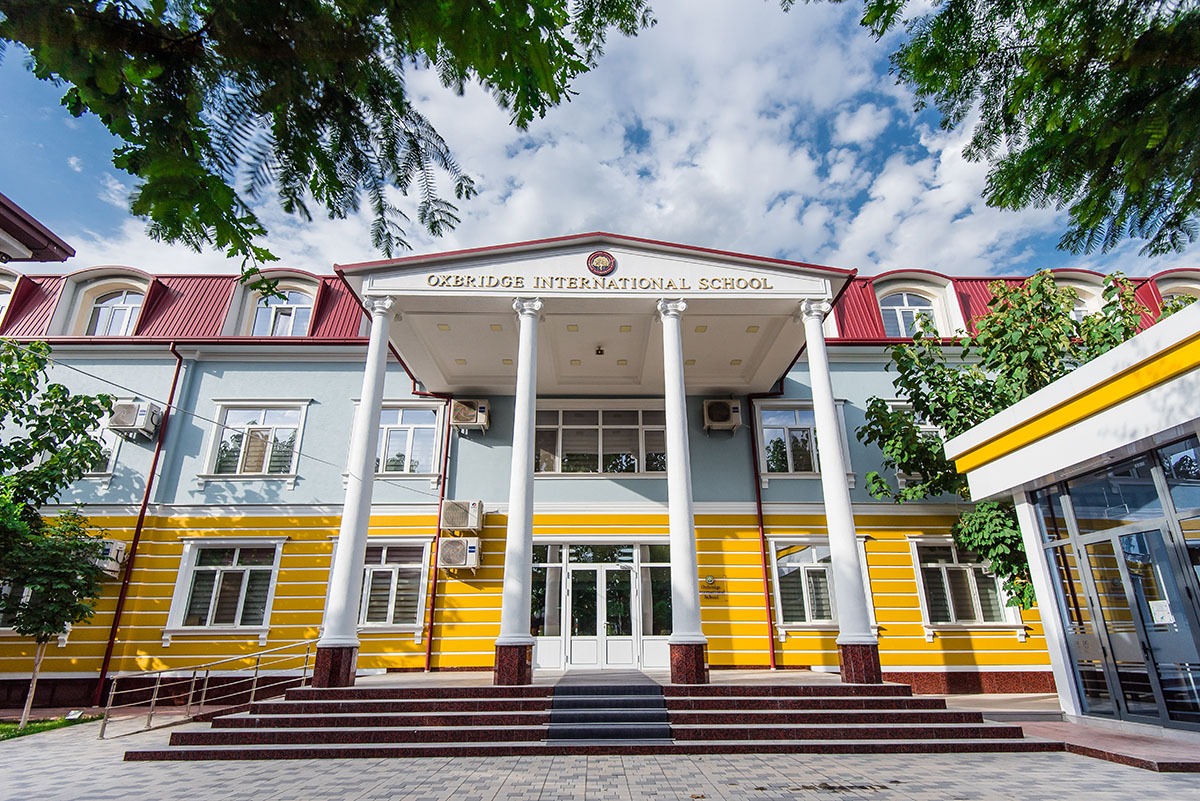
The Class of 2026: Where They Actually Went
In May they were still sitting exams; now they are packing. The ten strongest universities that took the Oxbridge class of 2026, with names and numbers: $200,000 in scholarships, 16 universities, 12 countries.

In May they were still sitting exams. Now they are packing: Hong Kong, London, Paris, Toronto, Eindhoven, Marbella.
Eighteenth in the world. Thirty-seventh. Fifty-ninth. First on the planet for animation. These are no longer offers waiting to be chosen between. These are the universities where the class of 2026 starts in September.
dollars in grants and scholarships for the class of 2026
universities around the world
countries across four continents
In our piece on how to read a list of university offers we told parents to ask schools an uncomfortable question: where did your graduates actually go. A list of offers doesn't answer it. This text is our own answer.
A month ago we published every offer the class of 2026 received: seventeen names and several dozen invitations. The season is closed and the places are accepted. Below are the ten strongest universities that took them, and the names of the students heading there.
The bags are packed
Thirteen lines — the graduates whose university made this year's top ten. Six more left for Prague, Miami, New Jersey, New York and Quito; their universities are listed at the end.
The ten universities that took them
The order is simple: first the places inside the world's top hundred, then the schools an overall ranking barely notices while they sit first on the planet within their own profession.

The Chinese University of Hong Kong · 18th in the world
QS World University Rankings 2027; communication and media, 16th in the world. Rafa Rasikha Nareswari — communications; David Kokora — management and economics. One university, two campuses: Hong Kong and Shenzhen.
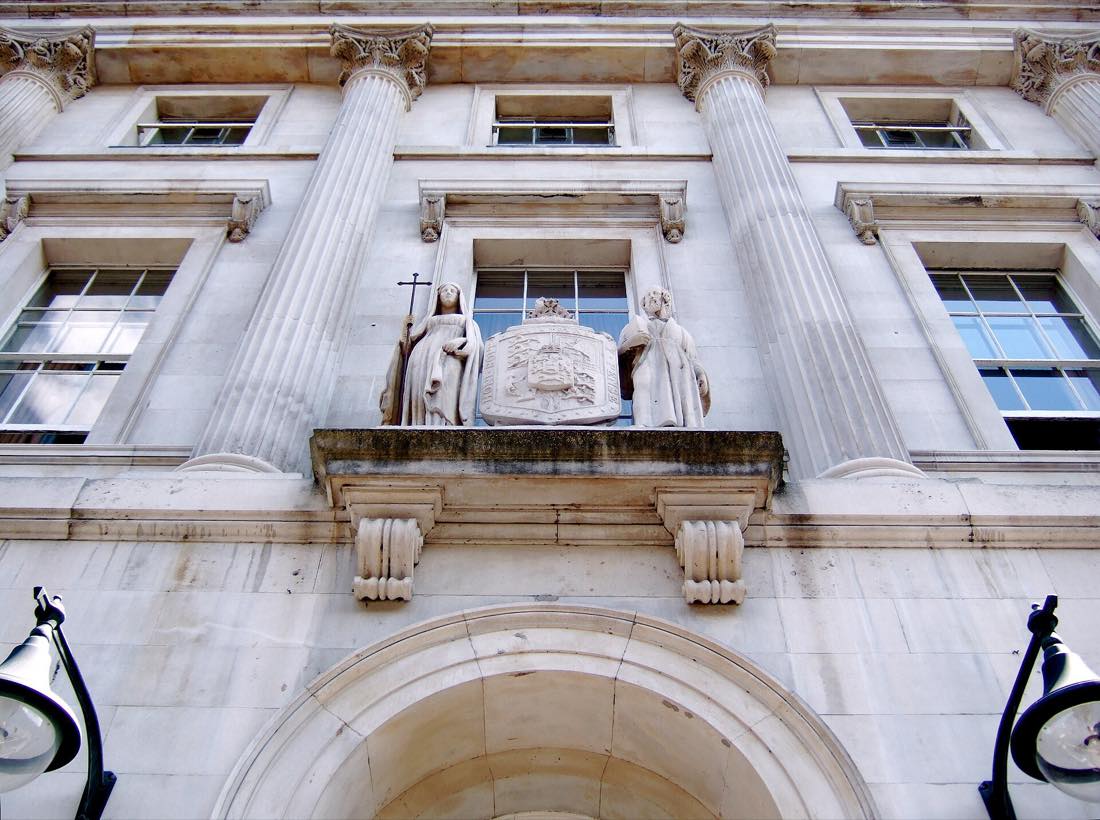
King's College London · 37th in the world
Sixth in the UK, with 26 subjects in the global top 50. Bobur Kayumov — economics; Ikram Yusupov — aerospace engineering.
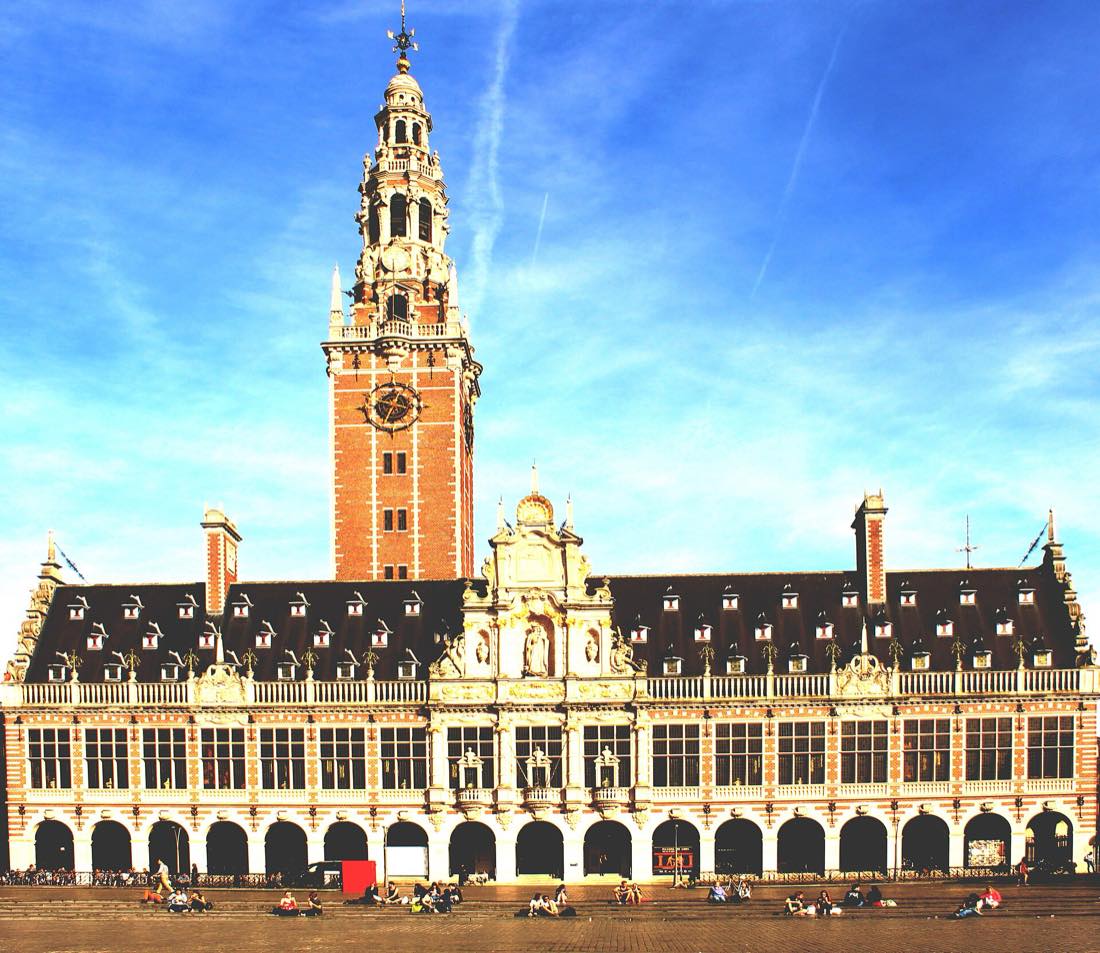
KU Leuven · 59th in the world
Fourth in the world for its international research network, ahead of nearly the entire top hundred on that indicator. Arina Sereda — business administration.
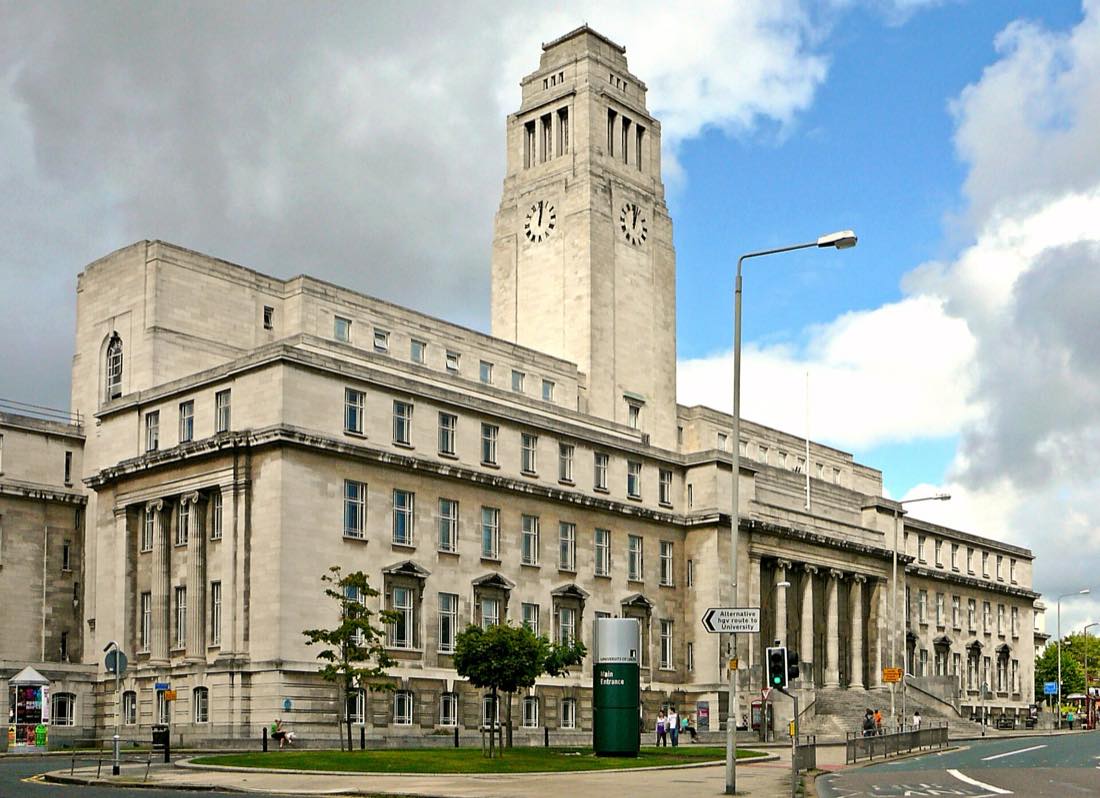
University of Leeds · 77th in the world
Twelfth in the UK, ninth in the world for research network. Antonina Ten — biology; Doniyor Eshonkhujayev — business and management.
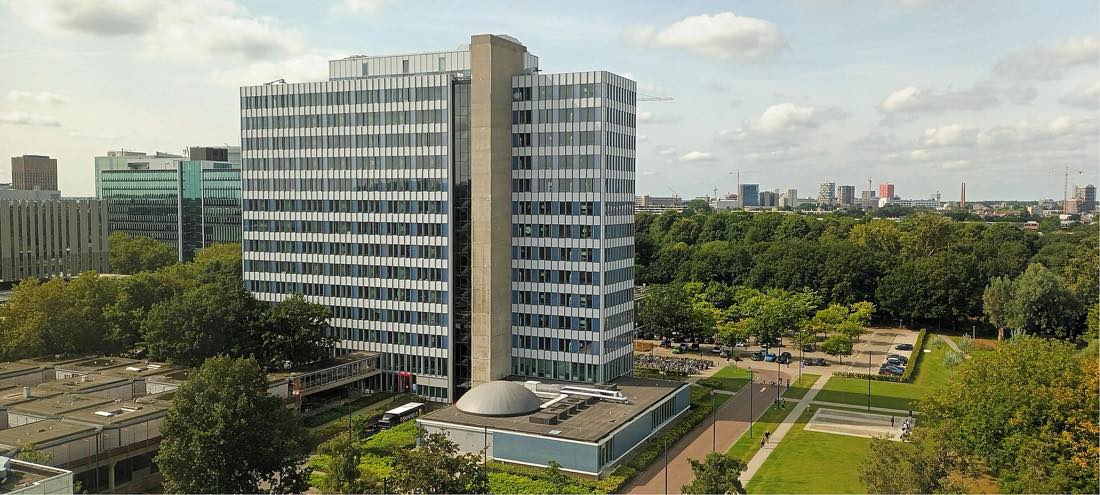
Eindhoven University of Technology · 91st in the world for engineering
QS by Subject 2026. First in the Netherlands for joint research with industry (CWTS Leiden 2025): students work with engineering companies from their second year. Mayuri Elizaveta Kuzminov — industrial design.
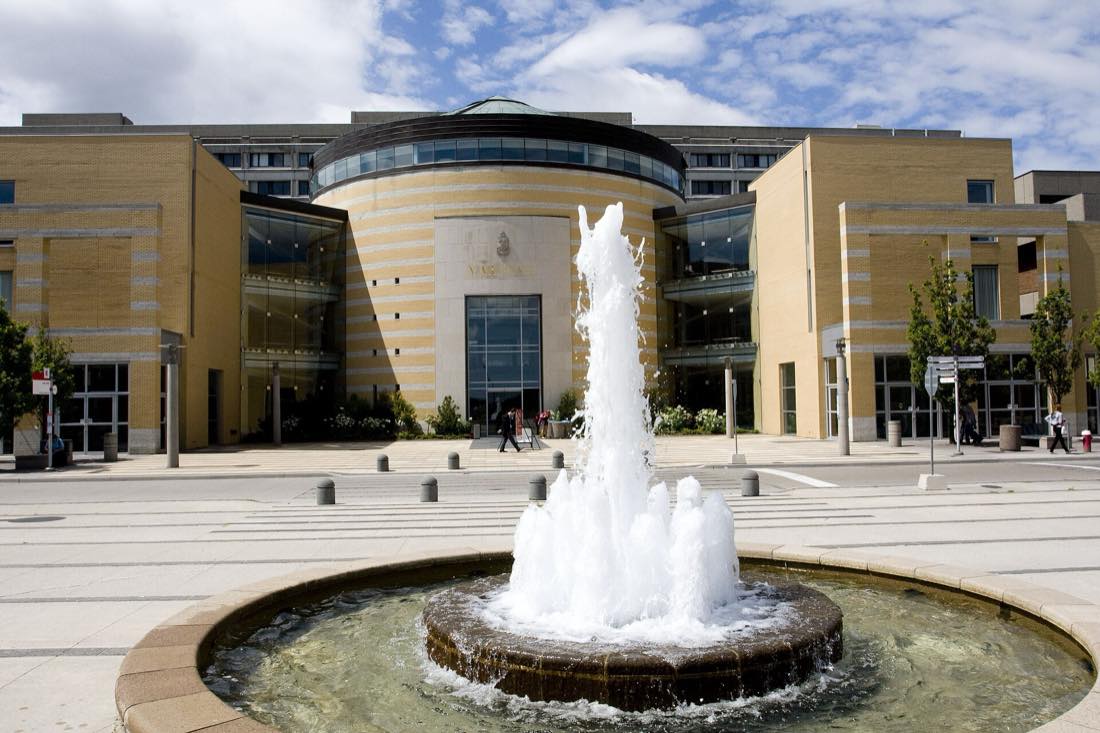
York University, Toronto · 322nd in the world
The overall line says little here: the Schulich School of Business is first in Canada and 48th in the world for marketing (QS Business Masters 2026). Jonathon Yang — business administration.
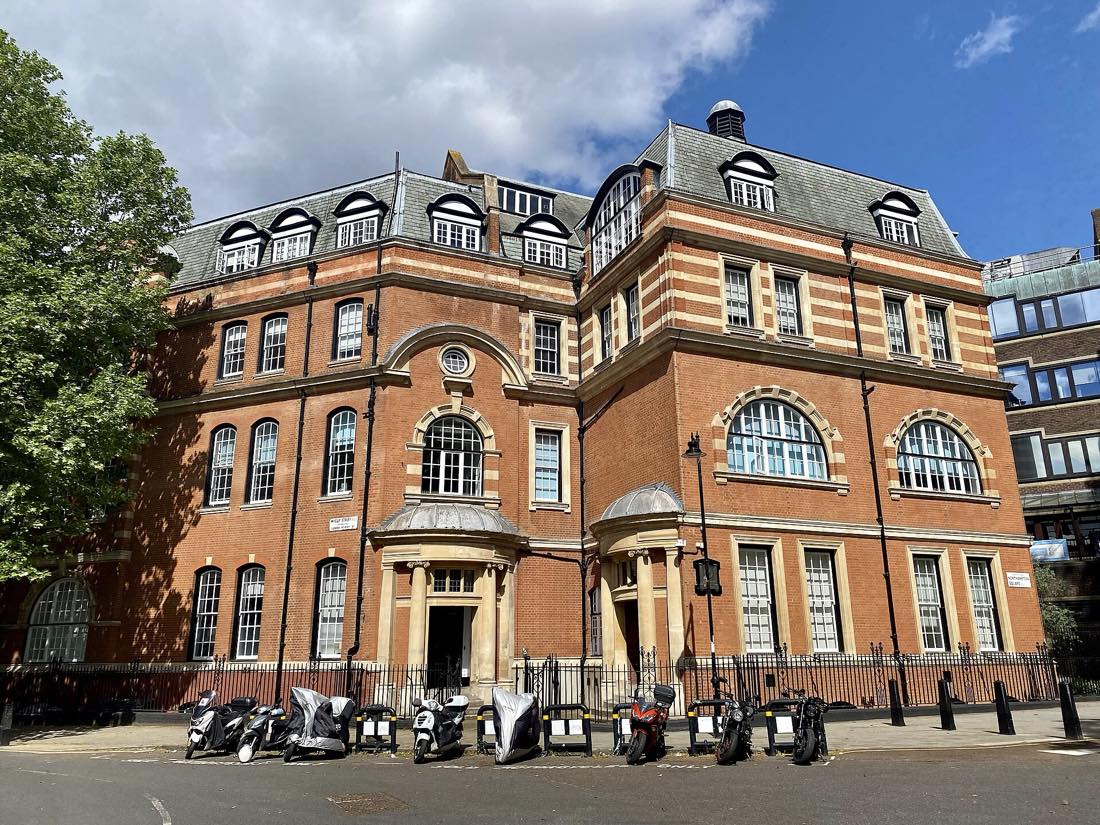
City St George's, University of London · top 1% of business schools
Bayes Business School belongs to the one per cent holding the "triple crown" — AACSB, EQUIS and AMBA accreditation at once. Forty-third in the world for international trade. Samina Rakhimova — business.
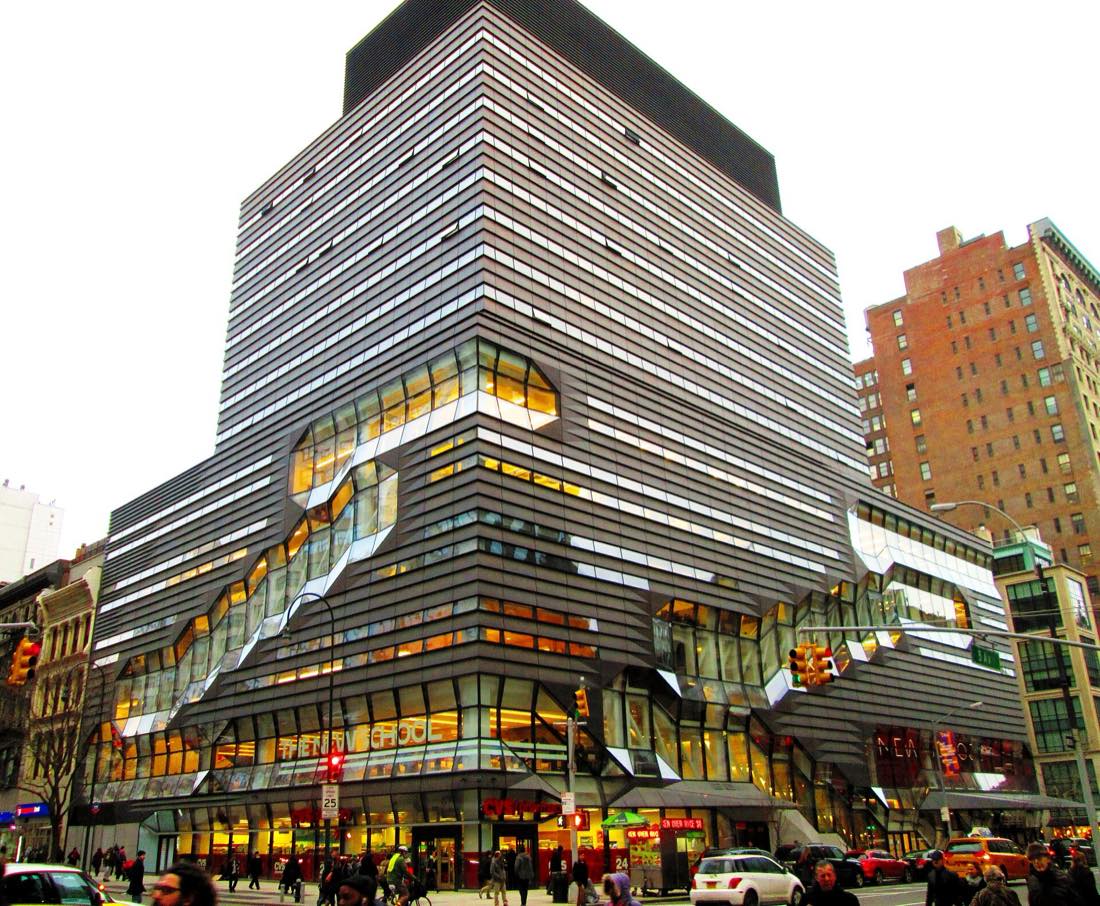
Parsons School of Design · 3rd in the world
Art and design, QS by Subject 2026: third out of 303 schools, right behind the Royal College of Art and University of the Arts London. Yasmeen Darwich-Abdusalam — interior design.
Les Roches · 2nd in the world
Hospitality, QS by Subject 2026: 94 points out of 100, one of the strongest scores in the industry. Bekhruz Rashidov — hospitality management.
GOBELINS Paris · 1st in the world
Animation, Animation Career Review 2026: first place for the sixth year running, out of nearly two hundred schools. Its graduates draw for Pixar, Disney, DreamWorks, Warner Bros. and Illumination. Maryam Demyanova — animation.
Why a 322nd place belongs on this list
To a parent scrolling QS from the top down, the sixth card looks like a failure. In fact Jonathon is going to a business school that is first in its country and 48th in the world for marketing. An overall ranking averages a whole university: medicine, physics, philology, sports grounds. Inside a profession the picture is different.
The same holds for the last three cards. Gobelins is not in the world's top 500 universities, and that tells a future animator nothing: it is the school artists across the planet dream of. Les Roches sits below hundreds of universities overall and second on Earth in its own industry.
For a future animator, first place in Paris weighs more than a hundredth place overall.
We went through this logic in How to Read a List of University Offers. The short version: rankings work inside a profession, and a school's job is to understand a child's profession early enough to build a profile around it.
Twelve countries, four continents
Hong Kong, the United Kingdom, Belgium, the Netherlands, Canada, the United States, Spain, France — and those are only the countries in the ten above. In total the class of 2026 spread across twelve countries on four continents.
Every country comes with its own application algorithm. The Dutch system runs by its own rules, the American one demands essays and an extracurricular portfolio, the Hong Kong one keeps its own calendar. When the children of one school scatter this widely, adults inside that school were guiding them through several systems at once.
Why the same school results are read in Toronto, Hong Kong and Leuven without a single translation is the subject of the first text in this series, on the IB Diploma.
Beyond the top ten
We promised to publish the whole list, including the lines that never reach a ranking's top ten. Beyond the ten universities above, the class of 2026 also went to six more:
- Prague University of Economics and Business — around 1001st overall in QS, and yet holding the same "triple crown" of accreditations as Bayes
- Florida International University, USA
- The College of New Jersey, USA — Pre-Med track
- Pace University, New York
- UDLA Quito, Ecuador
- American University of Technology — an Arizona State University programme
Nineteen graduates with offers, sixteen universities, two hundred thousand dollars in grants and scholarships. This is one season, one cohort, the 2025/26 admissions cycle. It is not the school's cumulative record across all years.
Who built these routes
Aerospace engineering, industrial design, animation, interior design, hospitality management. Trajectories like these don't appear in the final year. They are assembled over years: from the question "who do you want to be" asked early enough, from subjects chosen to match the answer, from a portfolio started at sixteen.
A university admits a person with a story, and a school is responsible for giving that story time to form. By spring each of this year's graduates had several acceptances on the table, and chose for themselves: the country, the profession, the life ahead.
In a month they will be gone. We will miss them.
The full year-by-year record lives on its own page: where our graduates go.
Book a campus tourUniversity photographs — Wikimedia Commons, free licences; the files were only resized. CUHK — Will629, CC BY-SA 4.0; King's College London — Salamander4000, public domain; KU Leuven — Theedi, CC BY-SA 4.0; University of Leeds — Tim Green, CC BY 2.0; TU Eindhoven — A. C. Santacruz, CC BY-SA 4.0; York University — Andrei Sedoff, CC BY 3.0; City St George's — No Swan So Fine, CC BY-SA 4.0; Parsons School of Design — Beyond My Ken, CC BY-SA 4.0.