How the IB Differs from the National Curriculum
Oxbridge runs both programmes. Here is how they actually differ: language of instruction, lessons, stages, exams and the diploma.
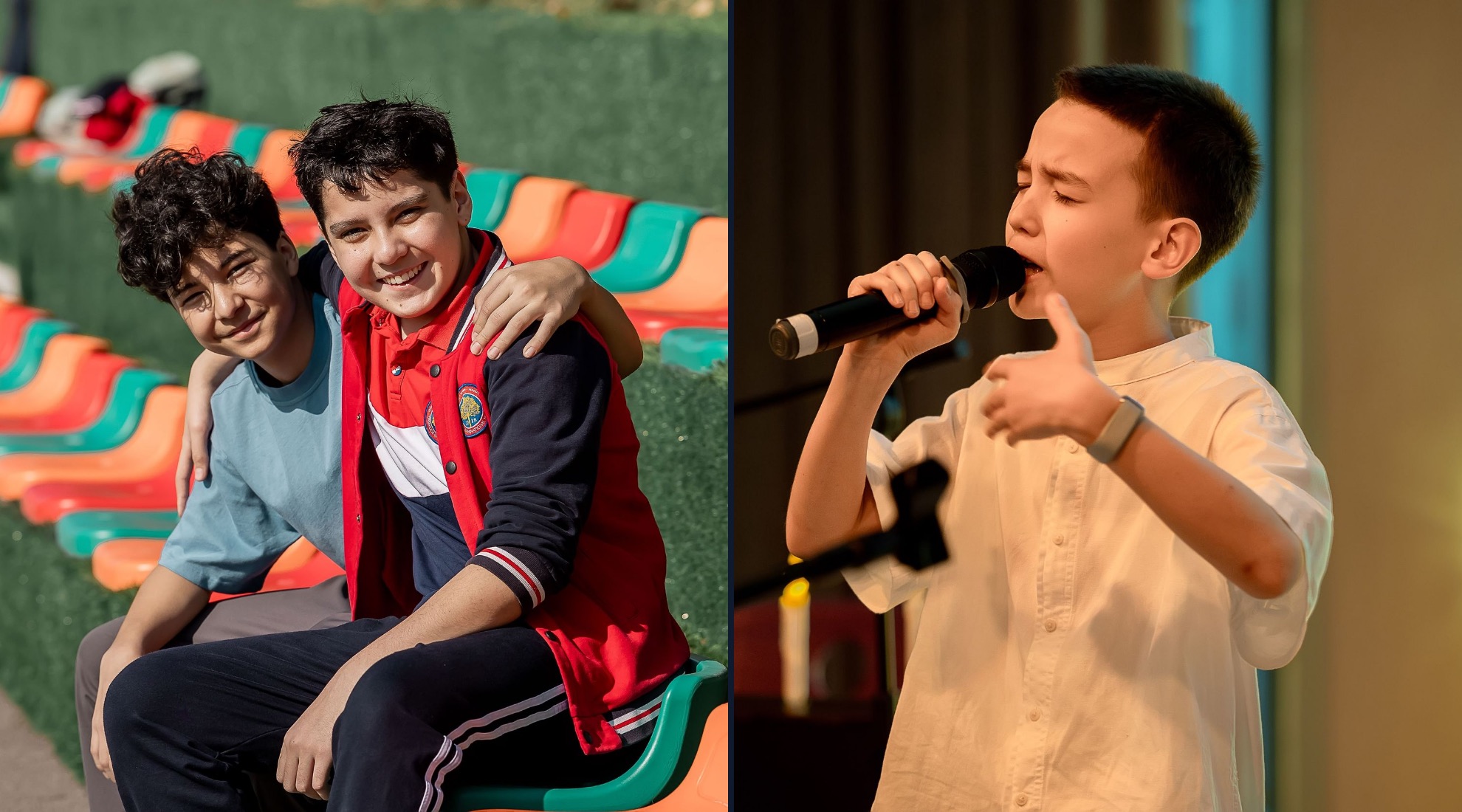
Oxbridge runs both programmes: the International Baccalaureate and a Russian-language programme built on the national standard. Below, point by point, is how they actually differ, with examples from our classrooms. Which one suits a child is the family's decision.
Language
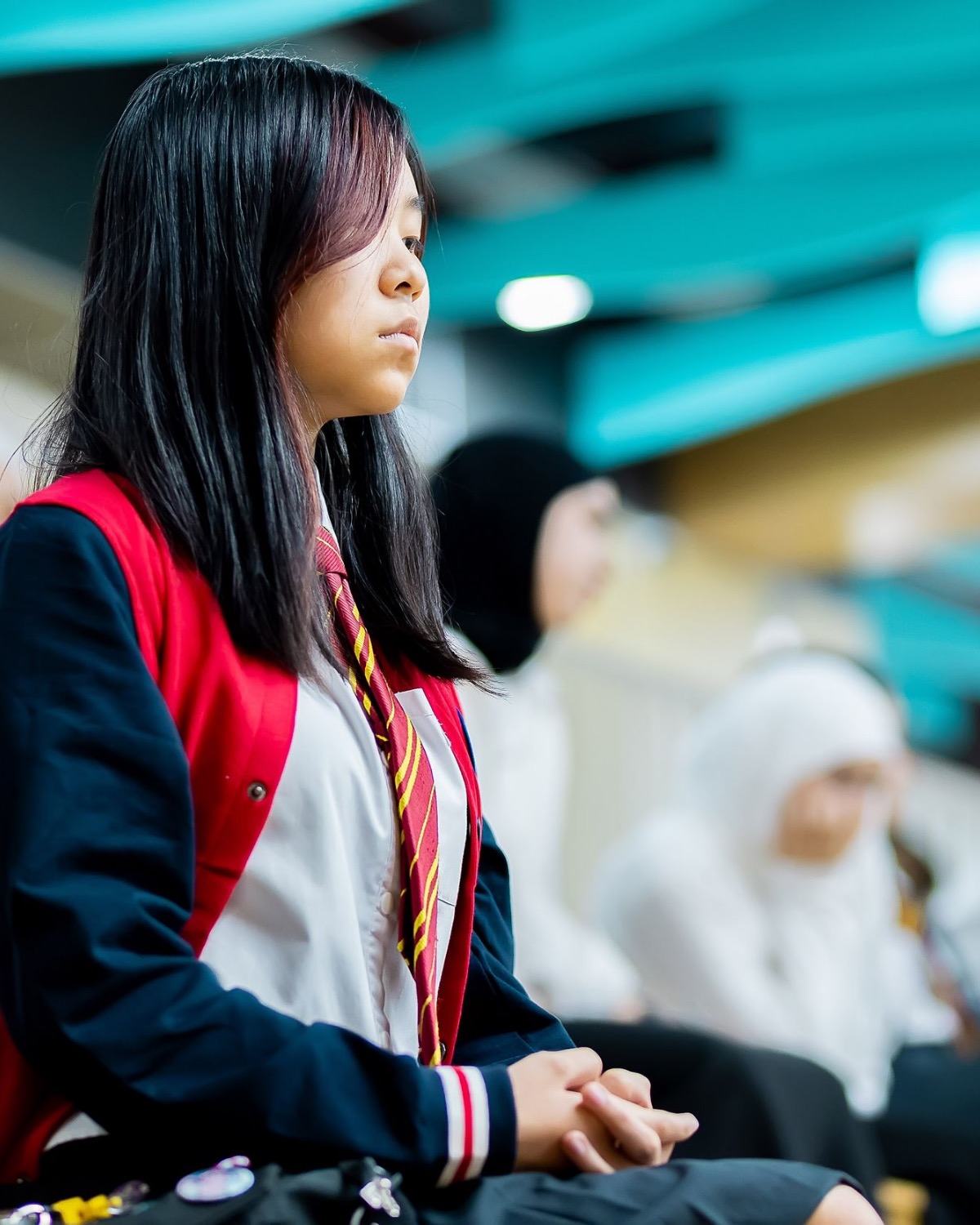
In the IB every subject is taught in English from grade 1. By the senior years, it is the language a child is used to thinking and reasoning in.
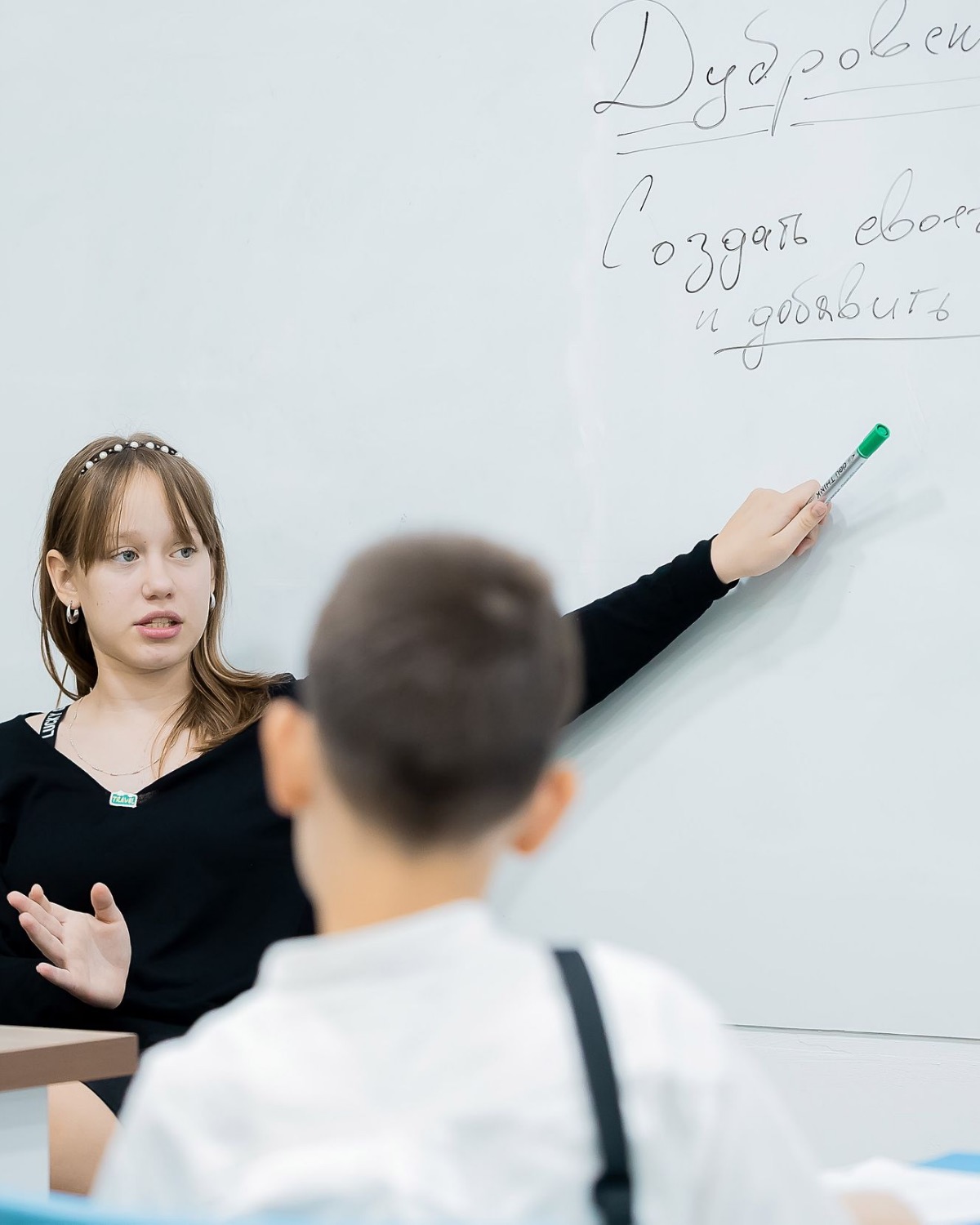
The Russian programme is taught in Russian. English gets eight hours a week in every grade: four with an expat teacher and four with a Russian-speaking teacher. From grade 3 children are grouped by level. In middle school half of the English lessons are given to reading books in the original, and from grade 10 half go to IELTS preparation. Results are consistently 6.5 or higher.
How lessons work
The IB starts from the child's question, while the Russian programme builds knowledge step by step, like a building in which every floor carries the next. Here is what that looks like at each stage.
IB
Primary school. Topics are built around children's questions, and counting, reading and writing happen every day.
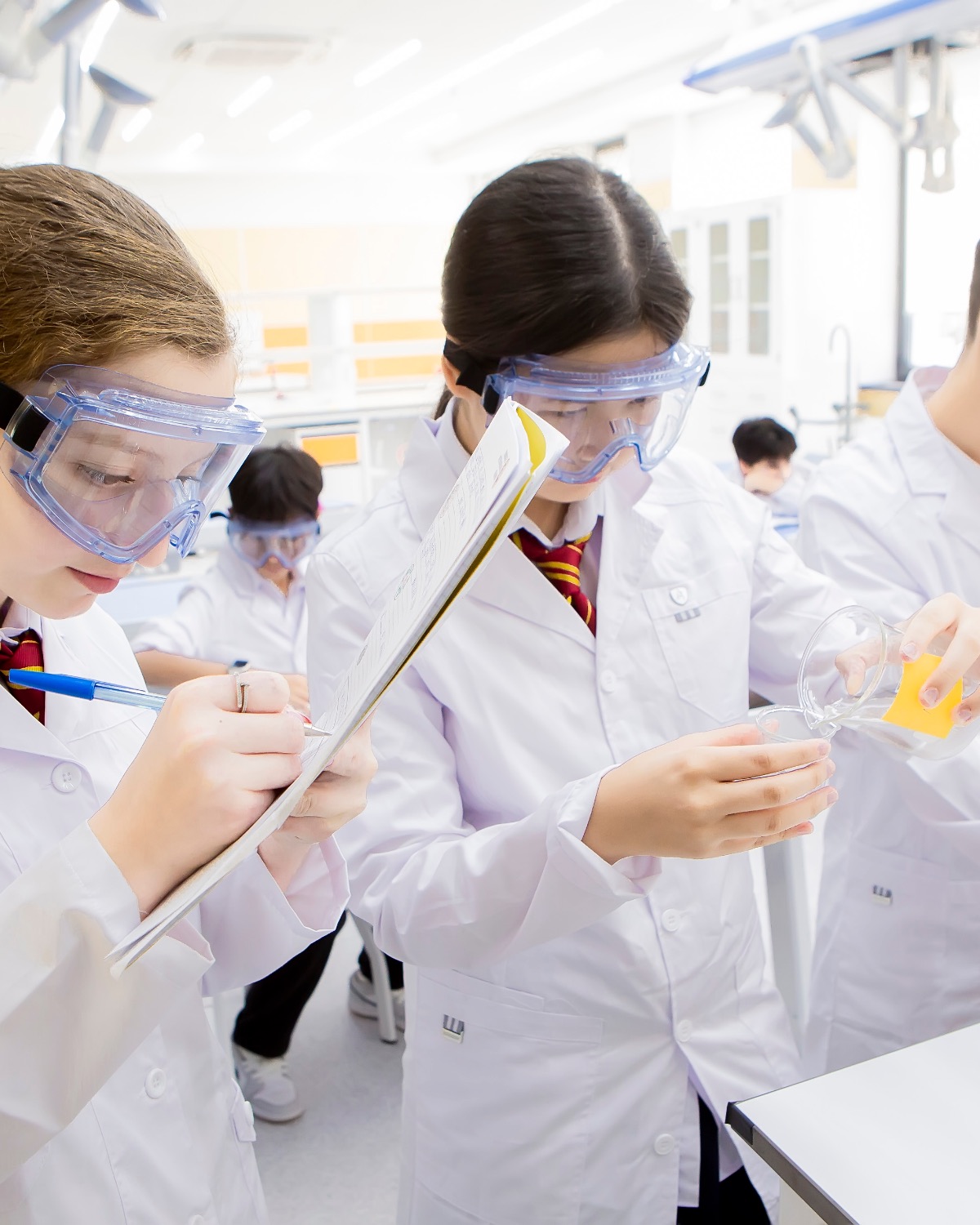
Middle school. Eight subject areas are linked by shared themes. Every student runs a personal project: they set the goal themselves and see it through to a result.
Diploma Programme. Six subjects, Theory of Knowledge, CAS (creativity, activity, service) and a substantial piece of independent research.
Russian programme
Primary school. Maths follows N. A. Soprunova's programme, with methodological support from the author herself.
Grades 5–6. D. E. Shnol's course of non-standard and olympiad problems is added to the core course.
From grade 7. Maths, physics and computer science are taught at two levels: advanced and standard.
From grade 10. An individual plan built around university admission.
Stages
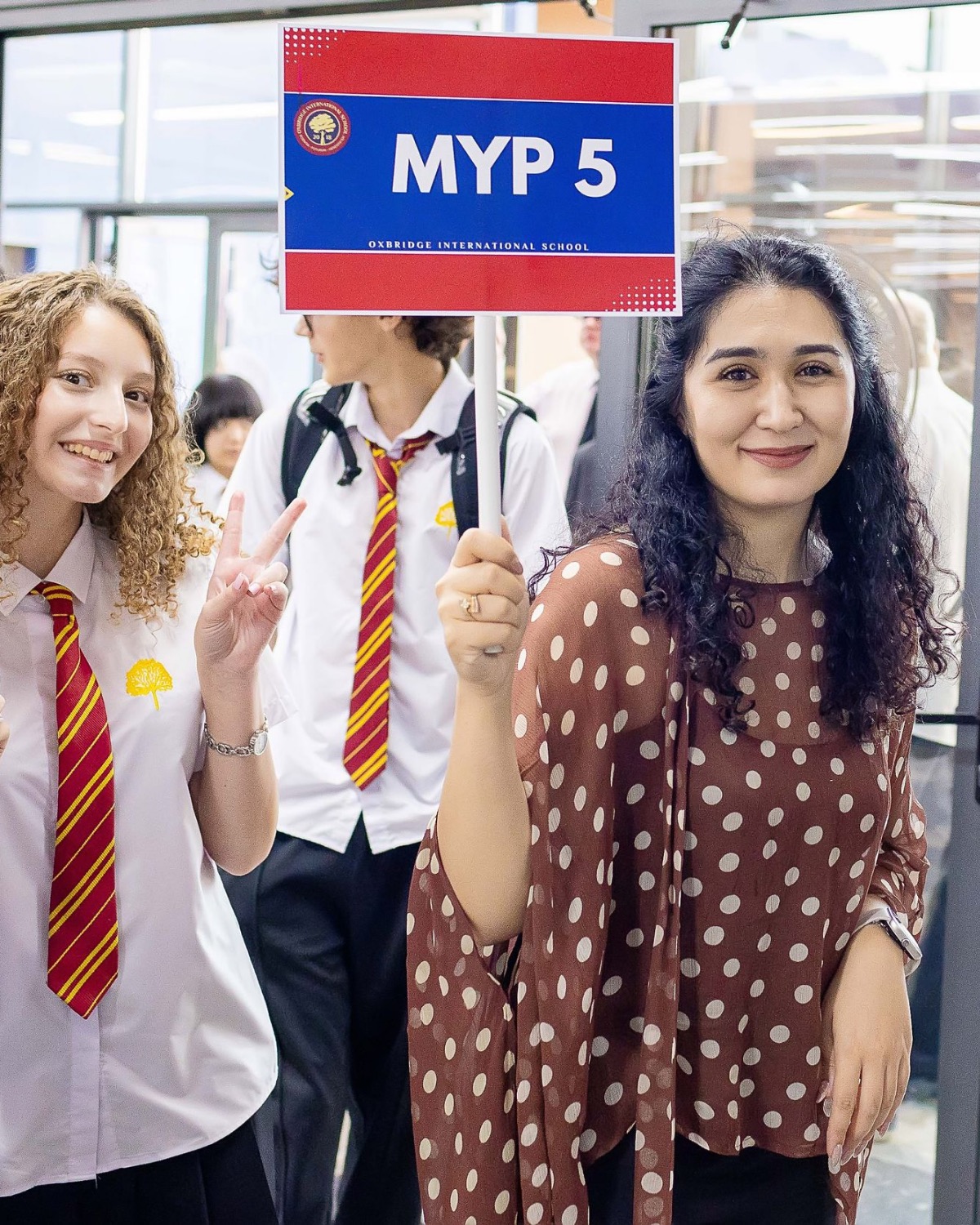
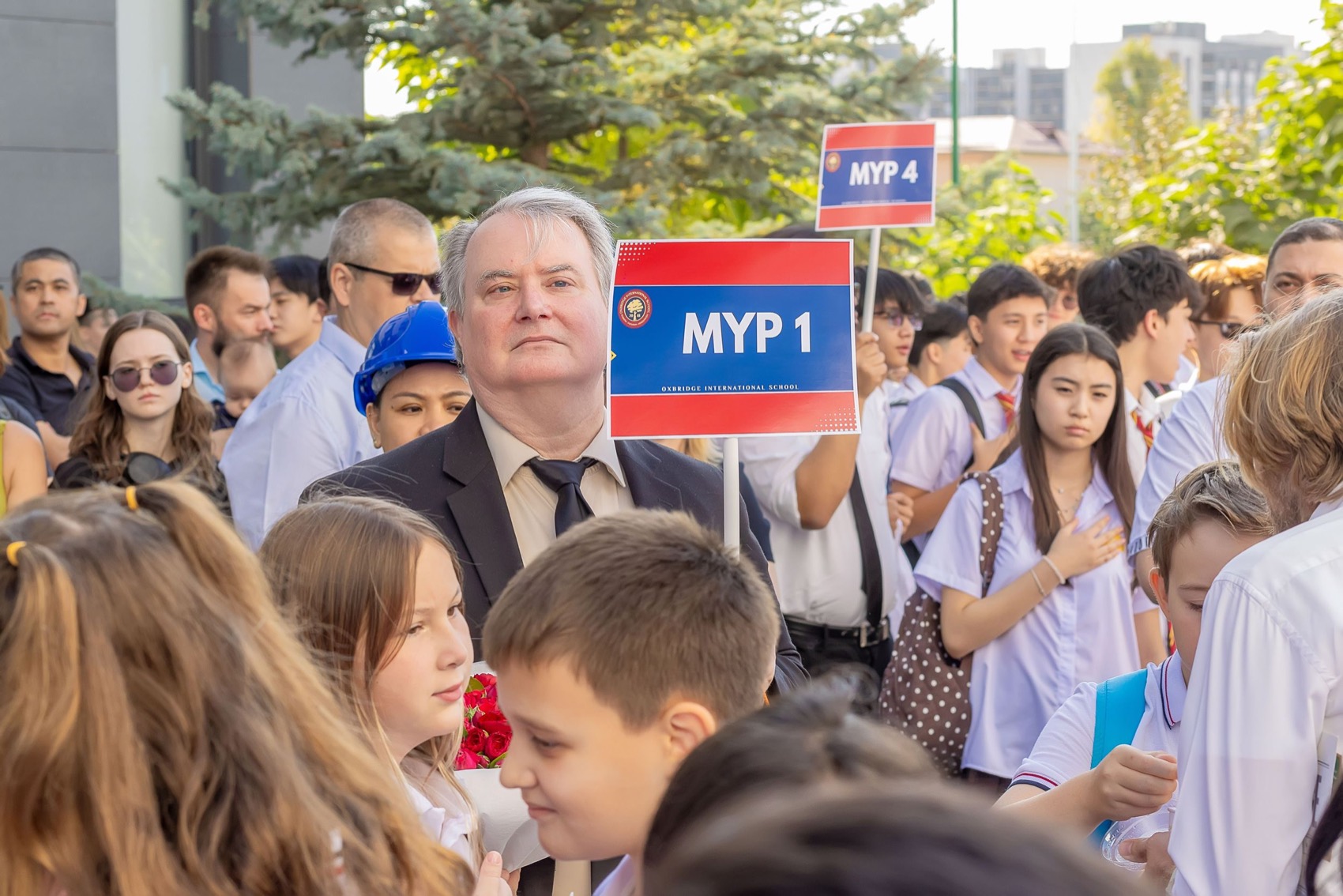
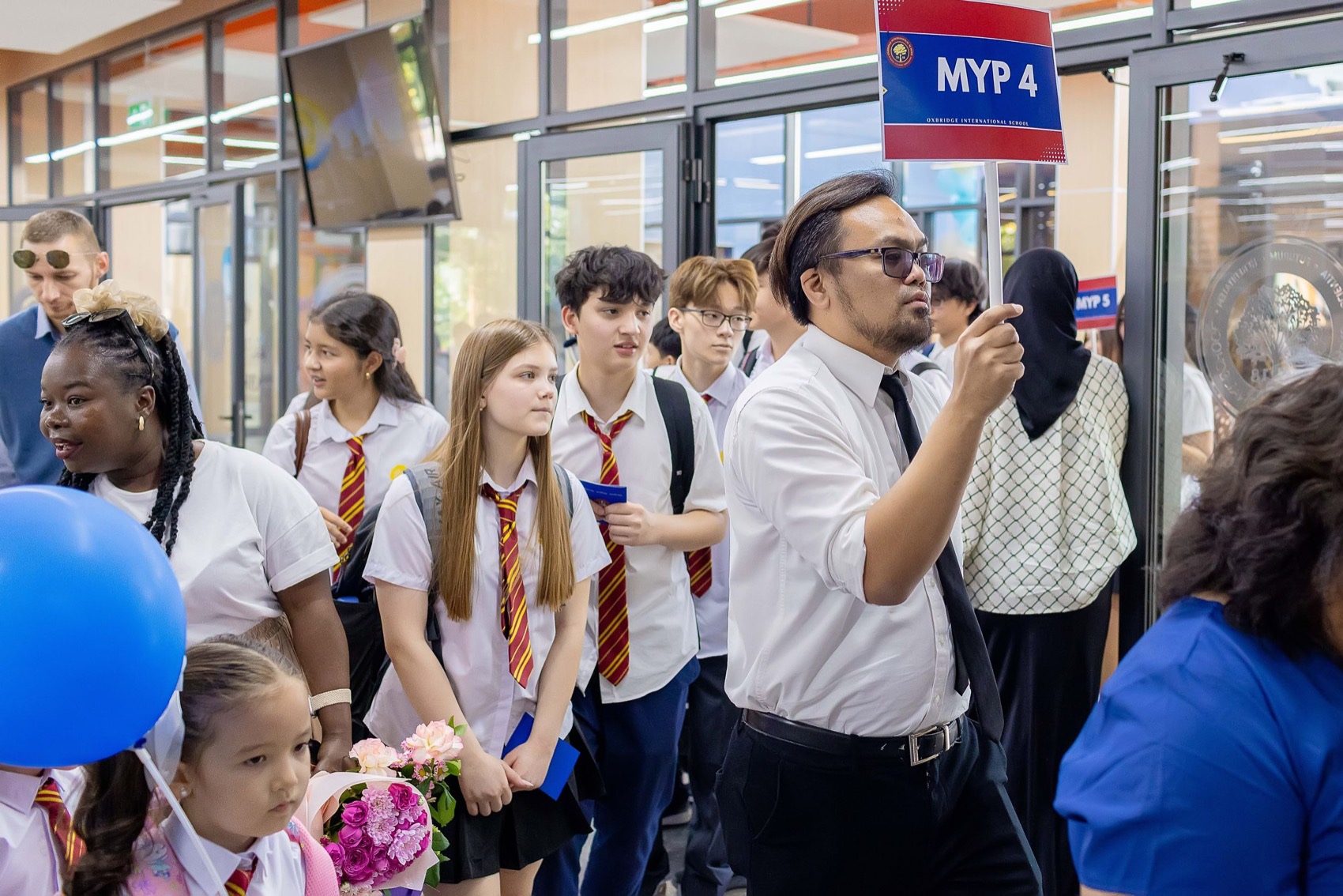
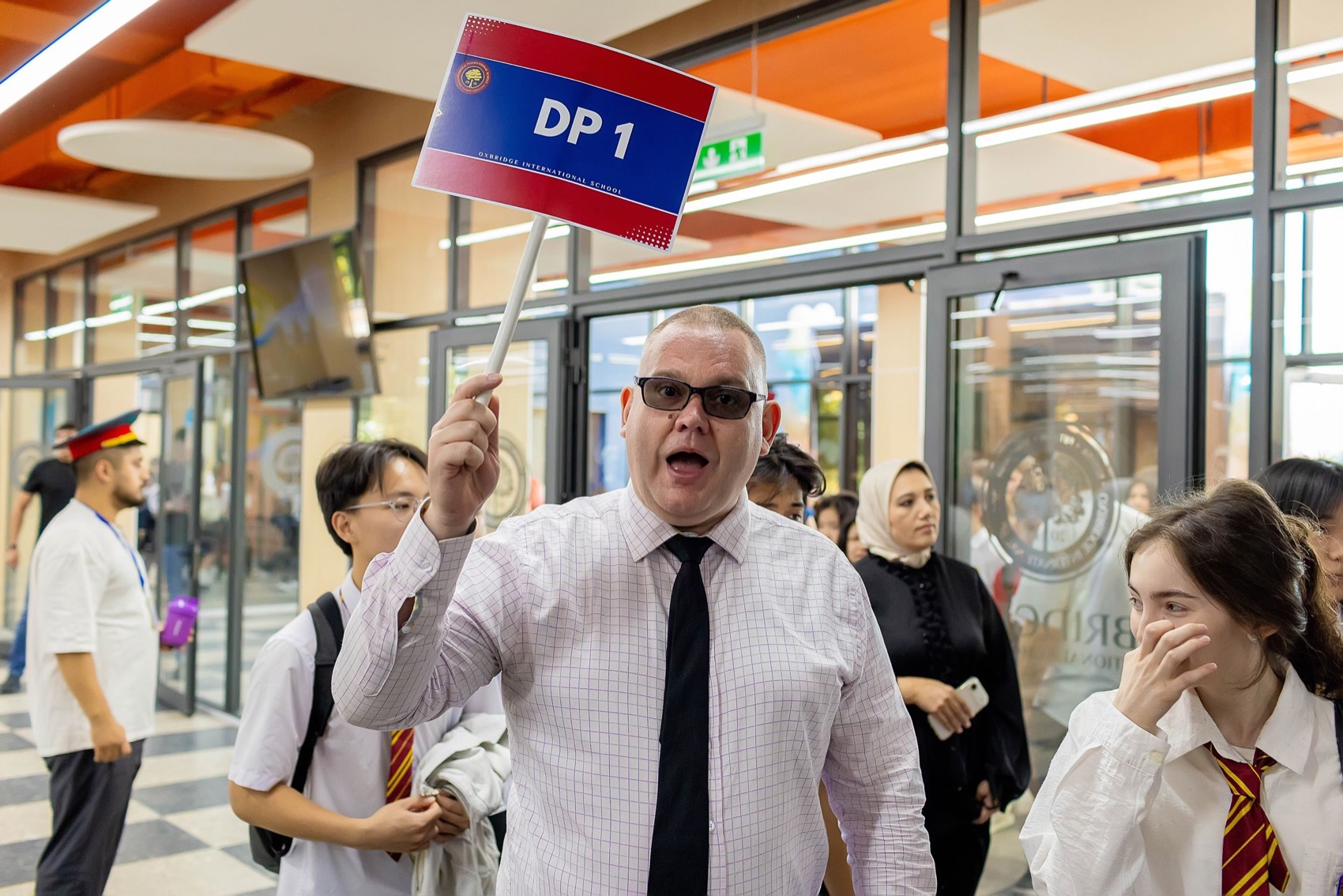
The IB has three stages: primary school (PYP), middle school (MYP) and the Diploma Programme in grades 11–12 (DP). The Mirzo-Ulugbek campus runs all three, and classes are named by stage and year: MYP 1, MYP 4, DP 1.
In the senior years of the Russian programme, specialist subjects are taught in small groups, and students who want to can prepare for the SAT within the programme.
How learning is assessed
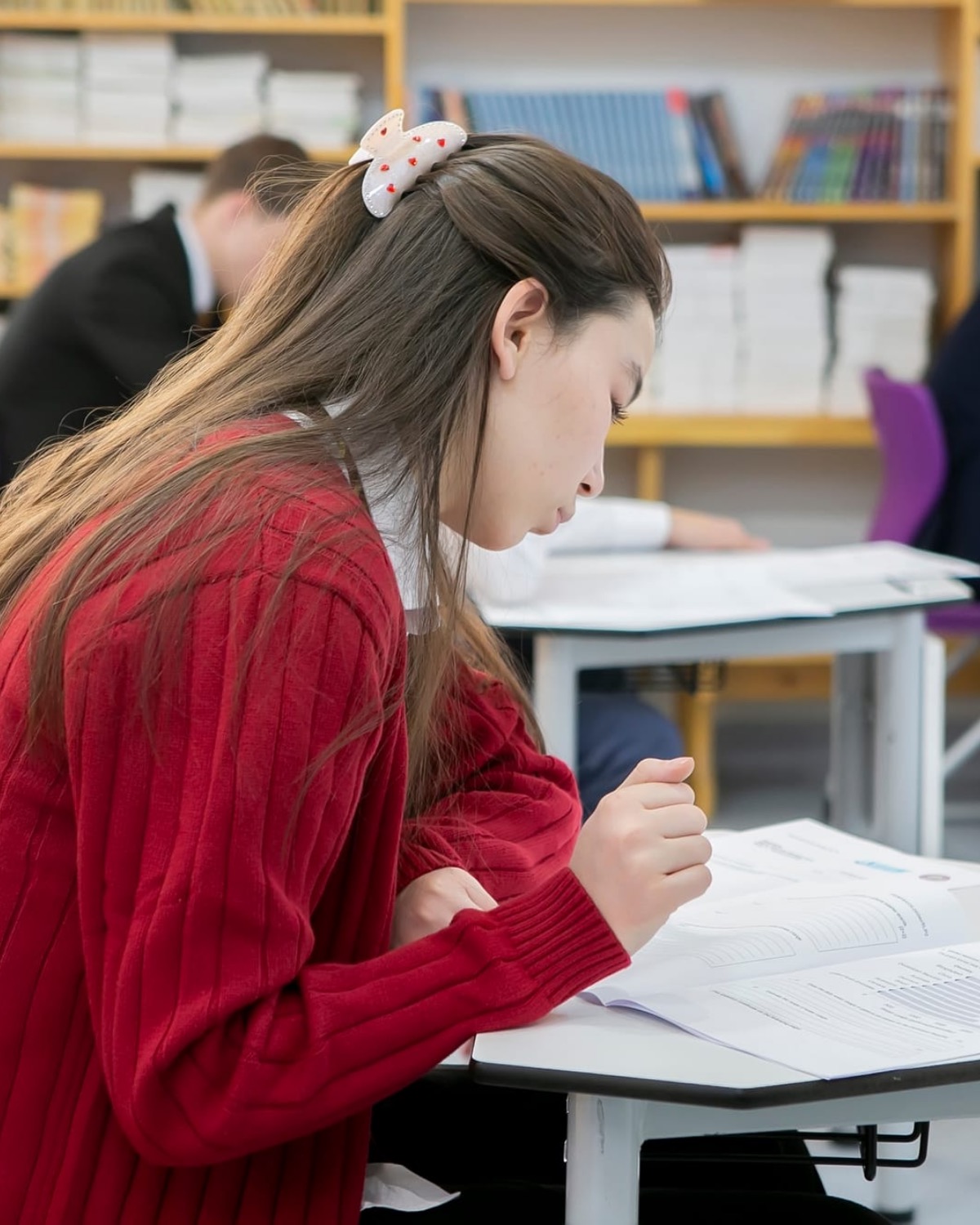
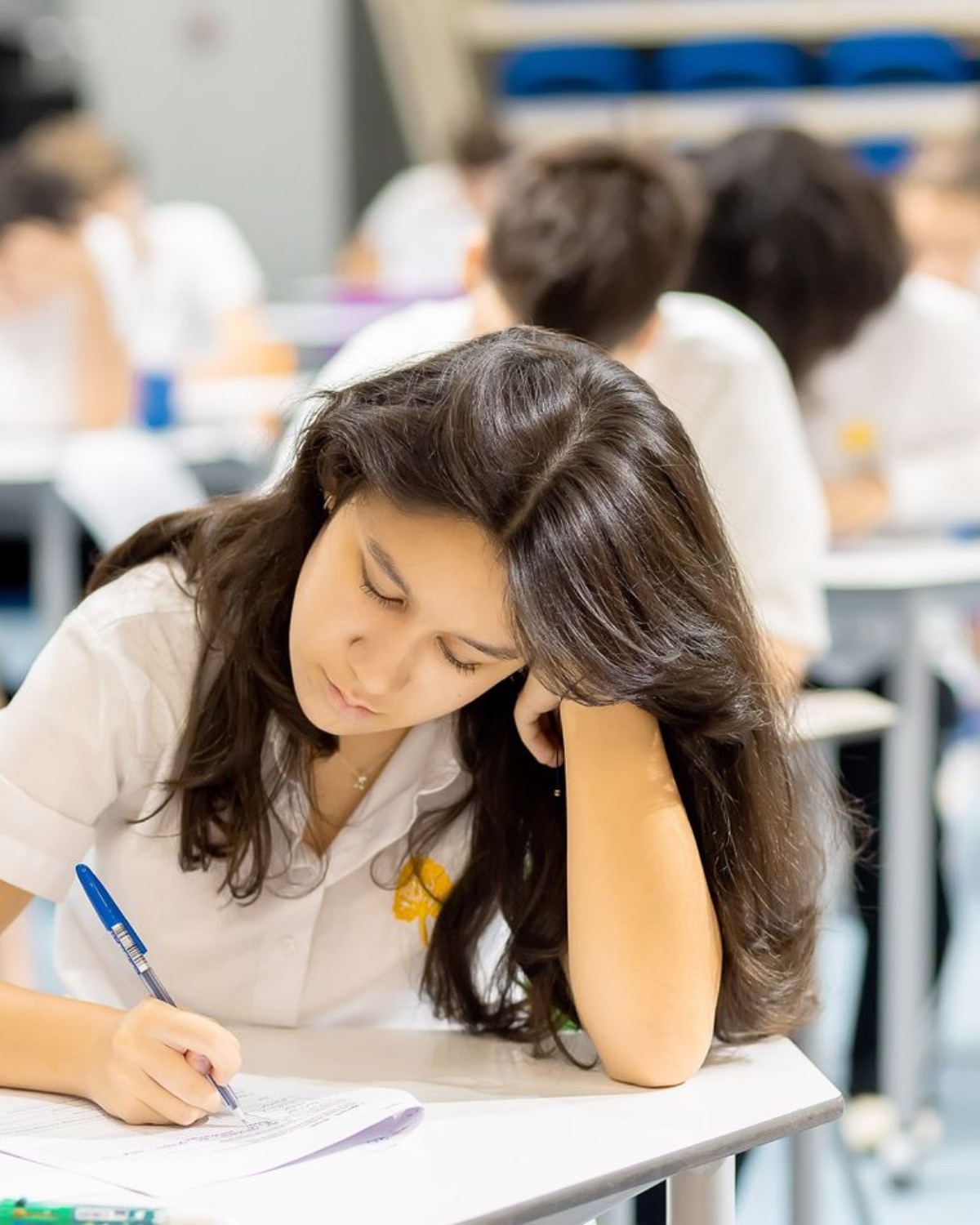
In the IB, the final Diploma Programme exams are marked by external examiners who know neither the student nor their teachers. Marks are given on a single scale that is the same for every IB school in the world.
In the Russian programme there are exams every year: to move up a grade, maths and English are compulsory, plus electives. If an exam is not passed, the school provides preparation materials, sets a resit and looks at the student's progress over time.
Diploma
An IB graduate receives the IB Diploma and, alongside it, the state certificate of Uzbekistan. A Russian-programme graduate receives a state-standard certificate.
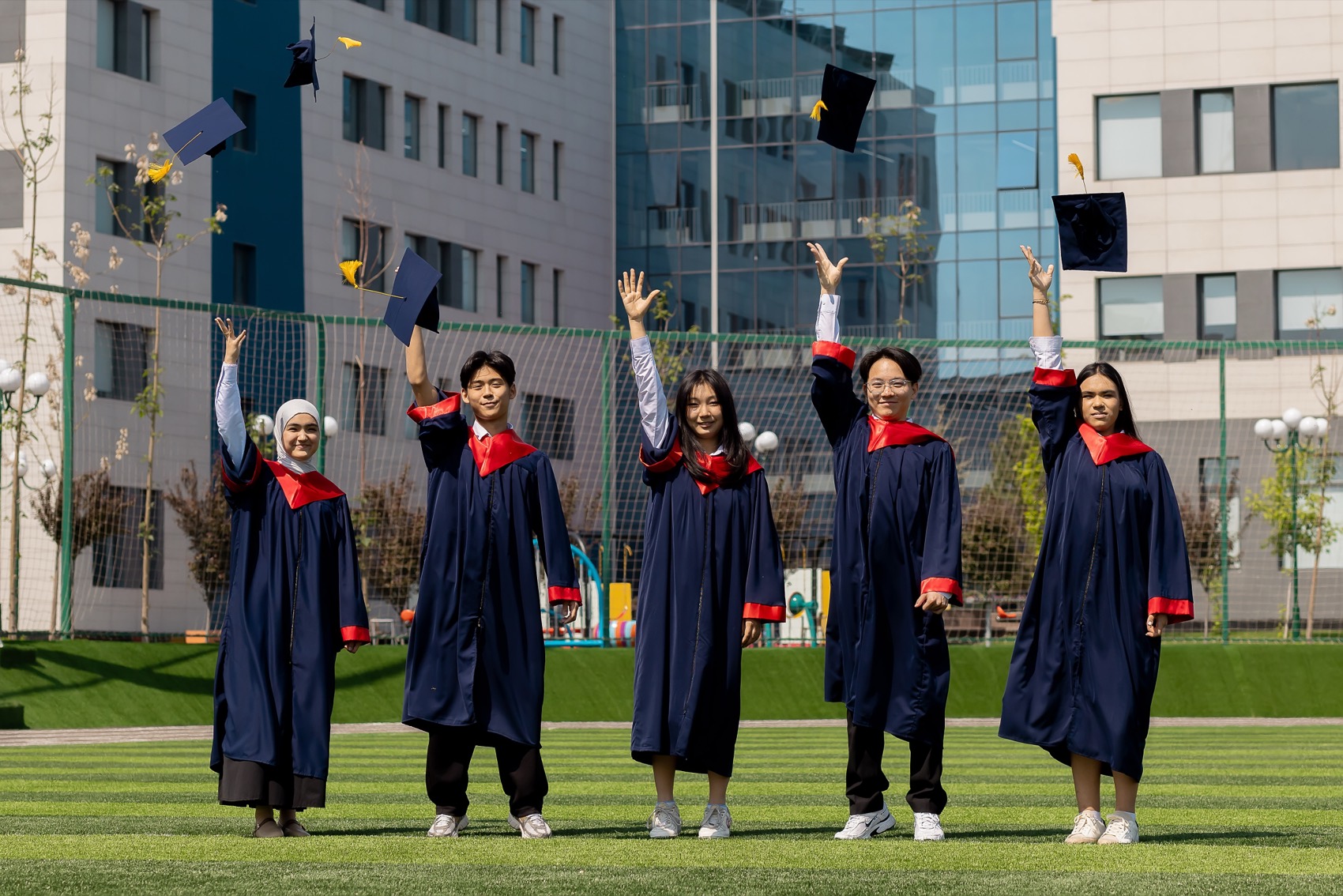
Where the class of 2026 went, with names and universities, is in "The Class of 2026: Where They Actually Went".
What they share
In both programmes there are no more than 24 students in a class, and support is built into the school day, so families don't hire private tutors. We have written about each programme separately: how the Russian programme works and what the IB Diploma gives.
You can see both programmes in person on a school tour.
Book a school tour